Amazon has quietly removed several AI-generated biographies on prominent Scottish politicians — including Nicola Sturgeon, John Swinney, and Humza Yousaf — after readers flagged glaring inaccuracies. These books, available in both print and Kindle editions, falsely portrayed Swinney as U.S.-born, Sturgeon’s mother as a “press flesher,” and Yousaf growing up in poverty with a father named “Mohammed”.
Fiction Masquerading as Fact
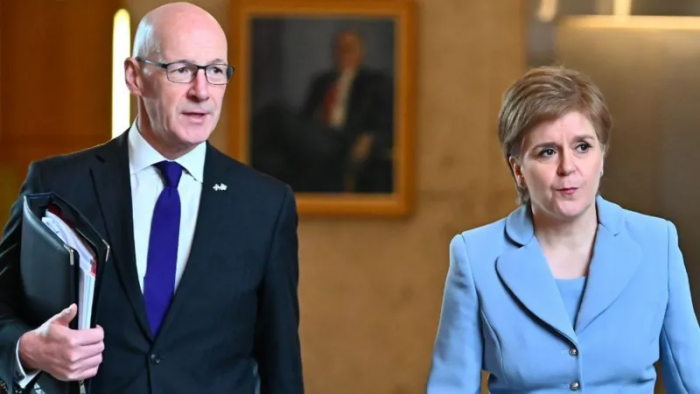
Published under pseudonyms like Brendy Beauty and Brian B. Porter, these biographies ranged from 36 to 85 pages and featured grammatical oddities and bizarre details — one even claimed to reveal behind‑the‑scenes SNP financial investigations Reader reviews were scathing; one title under Porter held a mere 1.3‑star average, with many calling it "terrible" and misleading.
Timing Is Everything: Election Risks Ahead
Coming just ahead of the 2026 Scottish Parliament election, experts warn these AI-fueled fabrications pose a serious threat. Sam Stockwell of the Alan Turing Institute cautions that book-length text “lacks obvious authentication cues” and may dangerously influence civic literacy among younger readers. He worries non‑labeled AI content could mislead voters.
Copycat Crisis: Not Just Scotland
This isn’t an isolated incident. Earlier this year in Canada, at least 16 similar AI-generated political biographies appeared around an election and included fake quotes and doctored images Analysts see a pattern: generative AI is being weaponized to produce slick but false political propaganda cheaply.
Amazon’s Response: Scrubbing Its Shelves
In response, Amazon says it has “proactive and reactive” measures to flag guideline violations and has already purged multiple titles. The Scottish government also urged caution, clarifying that these are not accredited biographies
Why It Matters: The Quiet Spread of 'AI Slop'
This episode highlights a new form of digital disinformation: well-presented, text-only fakes that bypass typical scrutiny. Without explicit labeling, these books may reinforce falsehoods promising to “educate,” quietly eroding truth—especially among youth .
Red Flags in Plain Sight
- Unverified authors — No traceable track record or citations.
- Bizarre biographical claims — e.g., Swinney born in Ohio, Yousaf’s fabricated poverty.
- Shallow length — A few dozen pages; unlike comprehensive, credible biographies.
- Generic publishing — Lack of publisher vetting or oversight.
The Takeaway: AI Needs Filtration, Not Just Regulation
These false biographies are a textbook example of how generative AI can slip misinformation into mainstream platforms under seemingly legitimate formats. With key elections looming, the public, platforms, and regulators must treat AI-generated content with healthy skepticism—and demand transparency before trust goes missing.
Post Comment
Be the first to post comment!