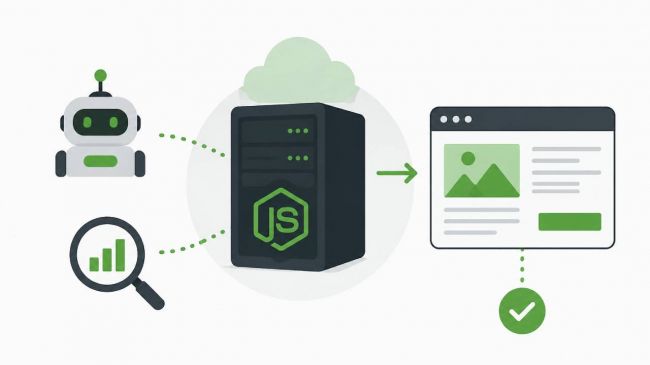
In a move that signals a seismic shift in the artificial intelligence landscape, Meta Platforms has officially acquired Manus, the Singapore-based startup that recently stunned Silicon Valley with its highly autonomous AI agents. Announced on December 29, 2025, the deal is estimated by industry sources to be valued at approximately $2 billion, marking Meta’s most significant acquisition in the AI sector and its third-largest overall, trailing only the historic purchase of WhatsApp and its recent investment in Scale AI. This strategic consolidation underscores CEO Mark Zuckerberg’s aggressive pursuit of what he calls "personal superintelligence," moving beyond passive chatbots toward active digital employees capable of executing complex real-world tasks.
Manus rose to global prominence earlier this year after a viral series of demonstrations showcased its "general-purpose" AI agent. Unlike traditional large language models that merely generate text, Manus’s technology can independently plan and execute multi-step workflows, such as conducting deep market research, writing and debugging complex code, and even handling personal logistics like travel booking and investment portfolio analysis. The startup’s rapid ascent was validated by its performance on the GAIA (General AI Assistant) benchmark, where it reportedly surpassed the capabilities of OpenAI’s Deep Research model across multiple difficulty levels. This technical edge allowed Manus to achieve a staggering $125 million annual revenue run rate within just eight months of its public launch, a growth trajectory that made it an irresistible target for Meta’s expanding ecosystem.
The acquisition comes at a pivotal time for Meta as it seeks to monetize its massive infrastructure investments. Under the terms of the deal, Manus will continue to operate its high-end subscription service independently currently priced between $39 and $199 per month while its core technology and elite engineering team are integrated into Meta’s primary platforms. Users of WhatsApp, Instagram, and Facebook can expect to see a new generation of "agentic" features that transition Meta AI from a conversational assistant into a proactive tool capable of managing business interactions and personal productivity directly within the chat interface. CEO Xiao Hong, a serial entrepreneur who founded the parent company Butterfly Effect before spinning off Manus, will remain at the helm of the unit, reporting to Meta’s Chief Operating Officer Javier Olivan.
Strategically, the deal also addresses significant geopolitical and operational considerations. Originally born from a Chinese technical pedigree, Manus relocated its headquarters to Singapore in mid-2025 to mitigate regulatory risks and cater to a global audience. Meta has confirmed that moving forward, Manus will discontinue all operations and investor ties within China, ensuring the technology remains firmly within Meta's Western-aligned infrastructure. By absorbing Manus’s "less structure, more intelligence" philosophy, Meta aims to leapfrog competitors in the race for autonomous agents, transforming its social media empire into a centralized hub for AI-driven action and utility.
Post Comment
Be the first to post comment!