ByteDance has begun integrating its latest AI video generation model, Dreamina Seedance 2.0, directly into CapCut, marking a significant shift in how creators produce short-form video content.
The update transforms CapCut from a traditional editing tool into a hybrid platform where videos can be generated, edited, and refined within a single workflow. The move signals ByteDance’s push to tighten its grip across the entire content pipeline, from creation to distribution.
What actually changed inside CapCut
Seedance 2.0 is not just another feature drop. It is a multimodal AI system capable of generating video from text, images, audio, and reference clips, all within the CapCut interface.
Creators can now:
- Generate short video clips using simple prompts
- Use reference images or videos to guide outputs
- Sync visuals with audio inputs like music or voice
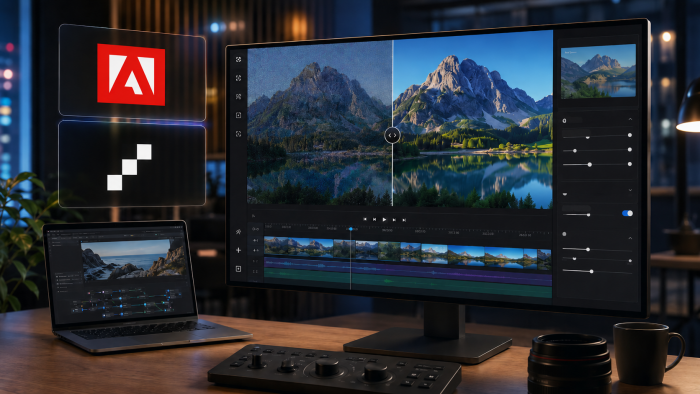
- Edit and refine AI-generated content directly in the timeline
The integration removes the need to switch between external AI tools and editing software, a common friction point in current workflows.
A model built for more than just “AI demos”
Earlier AI video tools often struggled with consistency, producing clips that looked impressive in isolation but failed to hold together across scenes.
Seedance 2.0 is designed to address that gap.
The model introduces multi-shot consistency, allowing characters, objects, and environments to remain stable across sequences. It also improves motion realism by applying physics-aware modeling, reducing the “floaty” or glitchy movement seen in earlier systems.
ByteDance positions this as a step toward narrative-aware video generation rather than one-off clips.
Resolution, speed, and performance upgrades
On the technical side, Seedance 2.0 pushes both quality and efficiency.
- Supports high-quality 1080p output with capability for 2K in certain environments
- Handles multiple aspect ratios including vertical, square, and cinematic formats
- Generates clips between 4 and 15 seconds in length
- Improves generation speed by roughly 30 percent compared to earlier versions
This combination allows creators to iterate quickly at lower resolutions and then upscale for final production.
Audio is no longer an afterthought
Unlike many AI video systems that treat sound separately, Seedance 2.0 integrates audio generation directly into the model.
It can:
- Generate background music and sound effects
- Align visuals with uploaded audio tracks
- Synchronize lip movements with voice input
This is particularly relevant for short-form content where timing with music or dialogue is critical.

Where it is available and what is limited
The rollout is already underway across ByteDance’s ecosystem.
Seedance 2.0 is currently available in:
- CapCut globally through AI video features
- Jianying, ByteDance’s Chinese editing app
- Dreamina, its web-based creative platform
- Pippit, its marketing-focused video tool
However, availability in the United States remains limited. Reports suggest ByteDance is still refining safety and policy controls before a broader release.
Built-in safeguards reflect growing scrutiny
Given the increasing concern around AI-generated media, ByteDance has embedded several restrictions into the system.
These include:
- Blocking generation using real human faces to prevent deepfakes
- Restricting use of copyrighted characters and intellectual property
- Applying invisible watermarks to all generated content for traceability
These measures position the model within emerging regulatory expectations while attempting to limit misuse.
Why this matters for creators and the industry
The integration of Seedance 2.0 into CapCut is less about adding features and more about redefining the role of editing software.
Creators can now:
- Generate content ideas visually before filming
- Produce short clips without recording footage
- Combine generation and editing in one environment
More importantly, ByteDance now controls a vertically integrated stack that includes content creation, editing, and distribution through platforms like TikTok.
This gives it a structural advantage over competitors relying on separate tools for each stage.
The bigger picture
As some AI video initiatives face delays or uncertainty, ByteDance is moving aggressively in the opposite direction, embedding generation directly into tools already used by millions.
Seedance 2.0 suggests a shift where video editing platforms are no longer just tools for refining footage, but systems that can create it from scratch.
If that transition continues, the distinction between “editing” and “generating” video may soon disappear altogether.
Post Comment
Be the first to post comment!