On This Page
- Notion Wants to Become the “Control Center” for AI Agents
- The Platform Extends Notion’s AI Push Beyond Documents
- Developers Can Now Build AI Workflows Directly Inside Notion
- Notion Is Creating a Shared Workspace for Humans and Agents
- The Goal Is to Reduce Context Switching
- Notion Is Moving Into a Competitive AI Infrastructure Race
- Governance and Permissions Are Becoming Critical
- Notion Is Betting on an “Agentic Workspace” Future
Notion is expanding far beyond its original identity as a note-taking and productivity app, launching a new developer platform and orchestration layer designed to make Notion the central operating hub for AI agents across organizations.
The update allows companies to connect external AI agents, internal automation systems, live data sources, and custom workflows directly into their Notion workspace. Instead of limiting AI actions to documents and databases inside Notion itself, the platform now enables multiple AI systems to coordinate tasks, exchange information, and operate together from a unified workspace environment.
The move signals one of Notion’s biggest strategic shifts yet, positioning the platform less as a standalone productivity tool and more as an operating system for AI-driven work.
Notion Wants to Become the “Control Center” for AI Agents
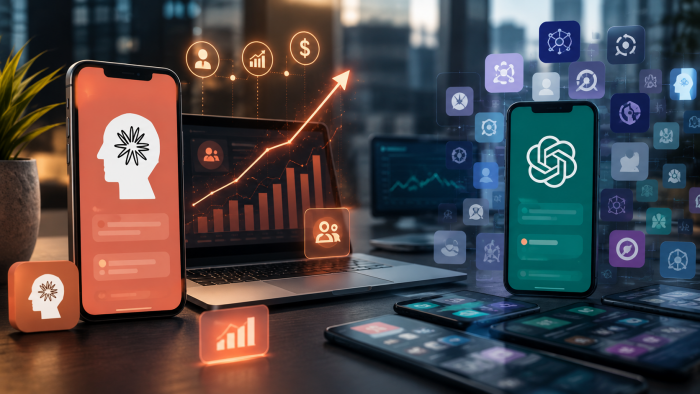
At the center of the launch is a new orchestration layer that allows AI agents to work together across multiple systems and applications.
Users can now interact with external AI agents directly inside Notion, assign them tasks, and monitor their progress in the same interface used for documents, projects, and collaboration. Those agents can come from outside platforms entirely, including custom enterprise systems built internally by companies themselves.
The company has also introduced an External Agent API that allows organizations to connect proprietary AI agents tied to their own workflows, CRM systems, analytics stacks, or customer support tools.
In practice, Notion is trying to become a single coordination layer where humans and AI systems collaborate side by side.
The Platform Extends Notion’s AI Push Beyond Documents
The launch builds directly on Notion’s broader AI transformation over the past year.
With the release of Notion 3.0 in 2025, the company shifted its AI strategy toward “Notion Agents,” AI systems capable of creating documents, updating databases, running workflows, and navigating workspace structures autonomously.
Those agents already operated with awareness of Notion’s internal architecture, including pages, relations, and permissions. But their actions largely remained confined within the Notion ecosystem itself.
The new developer platform changes that significantly by allowing Notion agents to coordinate with outside AI systems and external data sources in real time.
That transforms Notion from a productivity app with AI features into something closer to an AI orchestration environment.
Developers Can Now Build AI Workflows Directly Inside Notion
The company’s new developer tooling is a major part of the announcement.
Using a Notion CLI and updated integration framework, developers can build custom workflows, connect external services, and manage agent behavior directly within the workspace. The system also supports syncing external data into Notion so agents can act on live information rather than static documents alone.
This means AI agents operating inside Notion can potentially pull information from helpdesk software, analytics systems, CRMs, calendars, or external databases while coordinating tasks through the workspace itself.
The platform effectively turns Notion into a connective layer sitting between AI systems and organizational knowledge.
Notion Is Creating a Shared Workspace for Humans and Agents
One of the more significant aspects of the update is how deeply agents are being integrated into the interface itself.
Notion now includes unified management views where organizations can see all connected agents, review permissions, and control which systems can access specific data sources. Custom Agents also receive dedicated library placement inside workspaces, allowing teams to browse and reuse agents similarly to templates or shared databases.
The company is increasingly treating AI agents as permanent participants inside the workspace rather than temporary assistant features.
That philosophy was reinforced earlier in 2026 when Notion redesigned its sidebar and interface around dedicated areas for agent chats, AI meetings, and workflow coordination.

The Goal Is to Reduce Context Switching
The strategic pitch behind the platform is clear: fewer disconnected AI tools and fewer context switches between systems.
Today, many organizations experiment with separate AI assistants across support, analytics, project management, and operations. Notion appears to believe companies ultimately want a central interface where those systems can be monitored and coordinated together.
For example, a product team could use:
- a Notion Agent summarizing project updates,
- a support AI agent pulling ticket trends from a helpdesk platform,
- and an analytics agent generating revenue insights from external databases.
Under Notion’s new orchestration layer, all three could operate from the same workspace while humans oversee workflows from a unified interface.
Notion Is Moving Into a Competitive AI Infrastructure Race
The launch also places Notion into a broader competitive battle over AI workflow infrastructure.
Companies across the productivity and enterprise software market are increasingly racing to become the primary environment where AI agents operate. Rather than competing only on note-taking or collaboration features, platforms are now competing to become coordination layers for autonomous systems.
That shift is visible across the industry as AI agents move beyond chat interfaces into operational workflows involving project management, automation, analytics, and decision-making.
Notion’s advantage is its existing structure around databases, relationships, permissions, and collaborative workflows, which naturally lend themselves to agent coordination.
Governance and Permissions Are Becoming Critical
As organizations connect more autonomous systems into shared workspaces, governance becomes increasingly important.
Notion says agents continue to respect existing workspace permissions, and administrators can manage what each agent can see or modify. The unified management layer is designed to give companies tighter oversight over how AI systems access sensitive information.
That governance angle may become one of the platform’s most important enterprise selling points as businesses grow more cautious about uncontrolled AI automation across internal systems.
Notion Is Betting on an “Agentic Workspace” Future
The bigger significance of the launch is philosophical as much as technical.
For years, workplace software revolved around humans creating, organizing, and updating information manually. Notion’s latest strategy assumes the future workplace will increasingly involve autonomous systems continuously generating, summarizing, organizing, and acting on information alongside people.
In that environment, the workspace itself becomes less of a static repository and more of a live coordination layer between humans, AI agents, and external systems.
Notion appears to believe that whichever platform becomes the default operating environment for those interactions could become deeply embedded inside modern organizations.
The company is no longer just trying to build a smarter note-taking app. It is trying to become the place where AI-driven work itself is managed.
Post Comment
Be the first to post comment!