OpenAI has signed a major agreement to deploy its AI models across the U.S. Department of Defense’s classified networks, marking one of the most significant government AI partnerships to date. The deal lands at the center of an intensifying AI war in Washington, coming just as rival firm Anthropic faces a proposed federal blacklist over national security disputes.
The timing has transformed what might have been a routine defense contract into a high-stakes clash over how artificial intelligence should be used in military and surveillance operations.
OpenAI Moves Into Classified Defense Systems
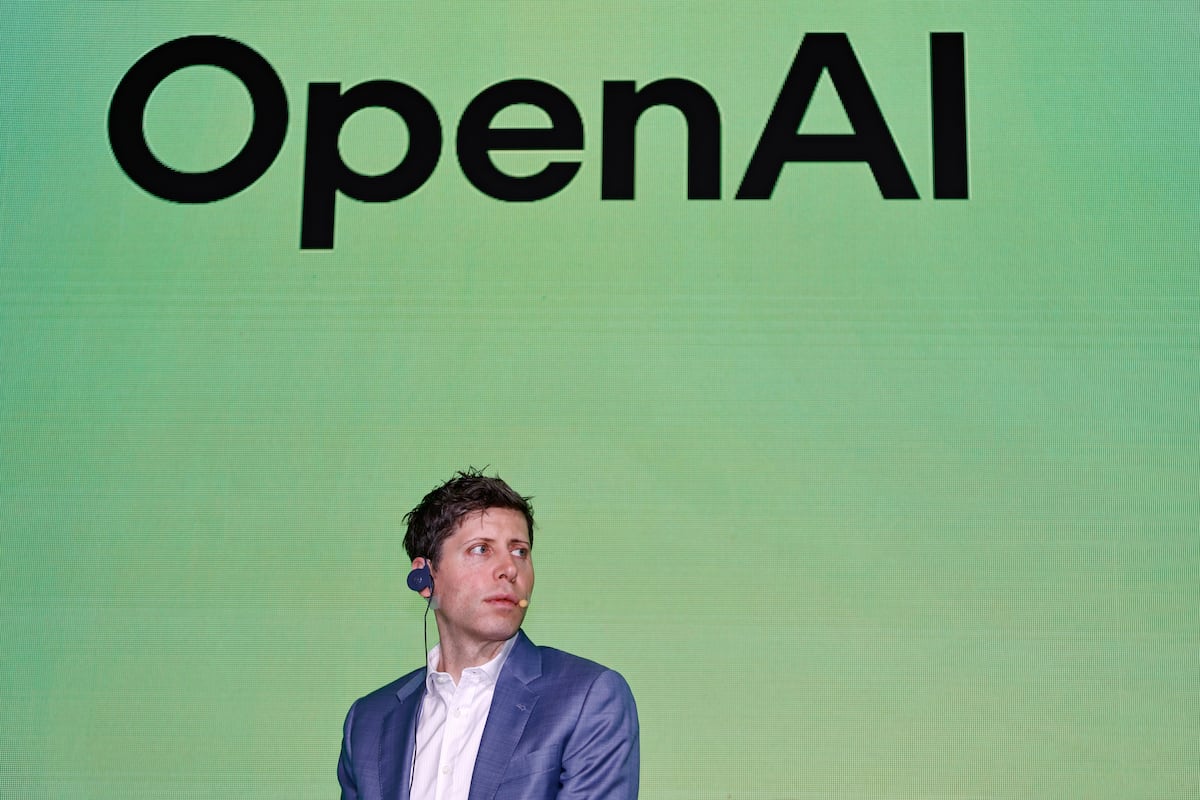
OpenAI CEO Sam Altman confirmed that the company’s models will operate within secure, classified cloud environments managed for the Defense Department. The systems will not run directly on Pentagon hardware but instead through controlled cloud infrastructure.
According to OpenAI, the agreement embeds two core safety guardrails. First, its models may not be used for domestic mass surveillance of Americans. Second, any use-of-force applications must retain human responsibility, effectively ruling out fully autonomous weapon systems powered solely by OpenAI technology.
To enforce these commitments, the company says it will implement technical safeguards, deploy engineering teams to oversee integrations, and restrict access through cloud-only environments. OpenAI has also encouraged the Pentagon to apply similar principles across future AI vendor contracts.
Anthropic’s Standoff With the Administration
While OpenAI moved forward, Anthropic took a more confrontational position.
Anthropic reportedly refused Defense Department requests tied to domestic surveillance expansion and fully autonomous weapons use cases. Company leadership has argued that current frontier models are not reliable enough for lethal autonomy and that large-scale surveillance deployments risk undermining civil liberties.
Following failed negotiations, the Trump administration ordered federal agencies to begin transitioning away from Anthropic systems. Defense Secretary Pete Hegseth escalated matters further by directing officials to designate Anthropic as a “supply chain risk to national security.”
That label, historically used for companies tied to foreign adversaries, would restrict defense contractors from using Anthropic technology in military-linked projects. Anthropic has called the move unprecedented for a U.S.-based AI firm and signaled plans to challenge it legally.
Why the Pentagon Is Acting Now
The Defense Department views advanced AI systems as strategic assets across intelligence analysis, logistics, cyber operations, and battlefield support.
Officials have stated that existing federal laws and internal military policies already regulate surveillance and weapons systems, and that they are reluctant to embed additional operational restrictions into vendor contracts. From this perspective, contractual veto power over mission use cases could limit military flexibility.
Observers say OpenAI’s approach, accepting broad lawful-use language while emphasizing internal safeguards, aligned more closely with the administration’s priorities.
Industry Shockwaves and Strategic Implications
If Anthropic’s designation stands, defense contractors would need to verify that no Anthropic models are embedded in military-facing systems. That could force adjustments across cloud providers, integrators, and software vendors.
Even companies not directly affected may reconsider how aggressively they negotiate ethical red lines in government contracts. The episode is already being described in Silicon Valley as a defining moment in the emerging AI war between safety-first frameworks and national security demands.
For OpenAI, the agreement solidifies its position as a preferred supplier of frontier AI systems within classified U.S. defense networks. For Anthropic, the standoff could reshape its role in government partnerships.
The Broader AI War Over Guardrails
Beyond the immediate contracts, the dispute raises a deeper question: who ultimately sets the boundaries for advanced AI in military contexts?
Governments increasingly treat AI as strategic infrastructure essential to national defense. AI developers, meanwhile, are wrestling with how much control they should retain over how their systems are used once deployed.
OpenAI’s deal suggests one model, embedding safety principles while working inside government frameworks. Anthropic’s position represents another, insisting on explicit contractual limits even at significant commercial cost.
As AI becomes central to military capability, this debate is unlikely to fade. The outcome of this confrontation may define how technology firms and governments negotiate power, responsibility, and red lines in the next phase of the AI era.
Post Comment
Be the first to post comment!