On This Page
- Our Top Picks (Quick Verdict)
- The 10 Best Linktree Alternatives of 2026 (Reviewed & Rated)
- 1. Beacons.ai — The Creator’s Monetization Hub
- 2. Shorby — The Branding Pro
- 3. Pallyy — The Social Media Manager’s Secret Weapon
- 7. Tap.bio — The Swipeable Storyteller
- 8. Replug — The Growth Hacker’s Tool
- 9. Woorise — The Lead Magnet
- 10. Zivolio, The Brand-First Growth Page
- Comparison Table: Which Bio Link Tool Should You Choose?
- How to Choose the Right Bio Link Tool
- The Final Verdict
Tired of Linktree? Discover 10 better, free Linktree alternatives in 2026, complete with pros, cons, and use cases to help you find the perfect bio link tool for your brand.
For years, Linktree owned the “link in bio” space. It was the go-to choice for anyone who wanted a simple page of links. But simple isn’t enough anymore.
Today, your bio link is prime real estate, it’s where brand perception meets conversion. A static list of buttons doesn’t cut it when audiences expect interactive experiences, personalization, and seamless monetization.
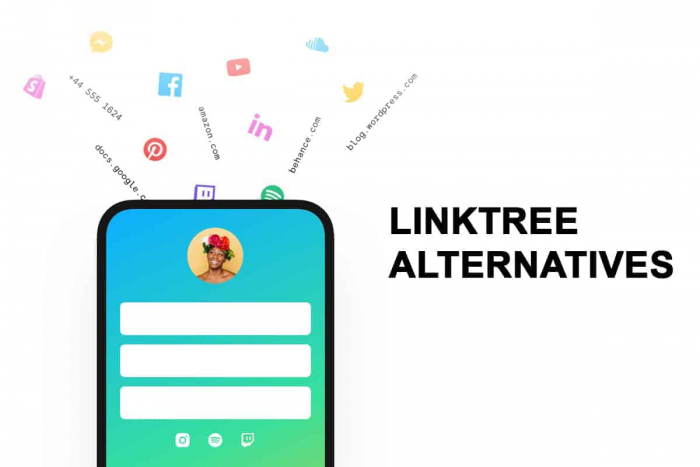
The good news? There’s a new wave of bio link tools redefining what that space can be. We’ve tested them all. These are the ten Linktree alternatives that offer real value, real design freedom, and real growth potential.
Our Top Picks (Quick Verdict)
Best Overall: Tieup.io — A strong balance of design flexibility, built-in functionality, and meaningful free-plan value for creators and small brands.
Best All-in-One: Pallyy — Combines social scheduling, analytics, and bio links in a single workflow, making it ideal for agencies and multi-account managers.
Best for Branding: Shorby — Suited for businesses that want a polished, professional presence with custom domains and dynamic content feeds.
Best for Brand-First Growth: Zivolio — Designed for creators and publishers who treat their bio link as a long-term brand asset rather than a simple link list, with a clean structure that supports growth over time.
The 10 Best Linktree Alternatives of 2026 (Reviewed & Rated)
1. Beacons.ai — The Creator’s Monetization Hub
Best For: Influencers, YouTubers, and streamers building direct income streams.
Key Feature: All-in-one storefront and monetization blocks.
Our Verdict: The best tool for creators who want to earn through their bio link.
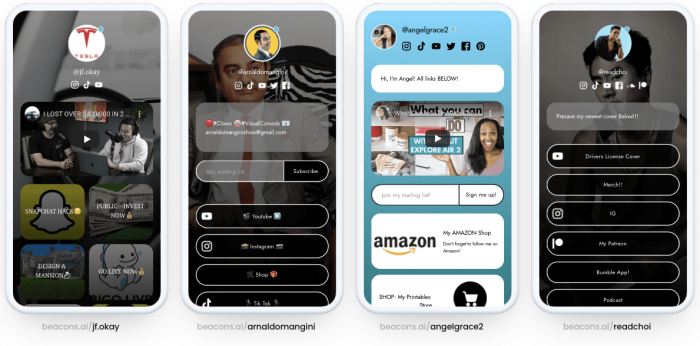
Beacons.ai has grown into a full business platform for digital creators. You can sell digital products, collect tips, embed affiliate links, and even run email signups all from a single bio link page. It’s designed to feel like a personal storefront, not a list of links.
Best Use Case:
Perfect for creators who want to turn followers into customers without paying for premium tiers elsewhere.
Pros:
- Built-in store and payment processing
- Intuitive mobile layout
- Free plan with advanced tools
Cons:
Design customization is limited to the free plan
2. Shorby — The Branding Pro
Best For: Small businesses and marketers who care about aesthetics and SEO.
Key Feature: Custom domain hosting and live editing.
Our Verdict: The best choice for anyone who treats their link page like a real website.
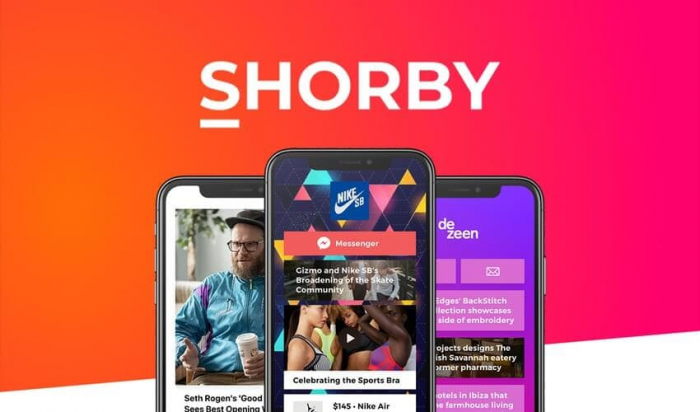
Shorby lets you use your own domain (like links.yourbrand.com), which immediately boosts your brand’s professionalism. The live editor makes building pages frictionless no split-screen chaos. You can also automate updates with dynamic content feeds that pull your latest posts or videos.
Best Use Case:
Great for agencies or consultants who need their bio link to look on-brand and update automatically.
Pros:
- Custom domains
- Live editing interface
- Dynamic RSS and YouTube feeds
Cons:
Lacks integrated payments or shop options
3. Pallyy — The Social Media Manager’s Secret Weapon
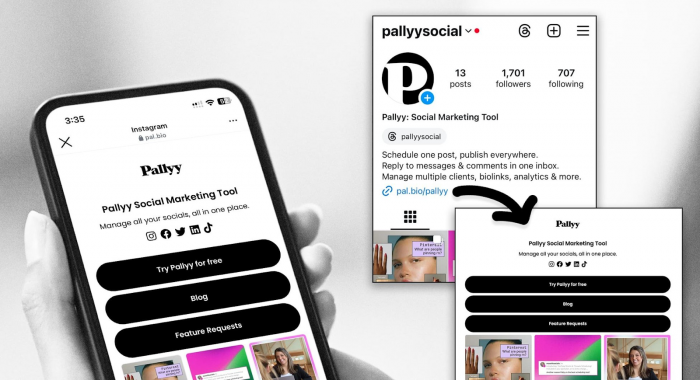
Best For: Agencies and freelancers managing multiple brands.
Key Feature: Social scheduling + bio link builder in one platform.
Our Verdict: The go-to tool for creators who crave efficiency.
Pallyy is built for speed and consistency. You can plan, schedule, and publish content across platforms — and link those posts straight to your bio page. The result: less copy-pasting, more automation.
Best Use Case:
Ideal for marketing teams that want their social posting and link management in a single dashboard.
Pros:
- Unified scheduling and analytics
- Grid-style bio link pages
- Simplifies social media management
Cons:
Design customization is limited to templates
4. Tieup.io — The All-Rounder with Style
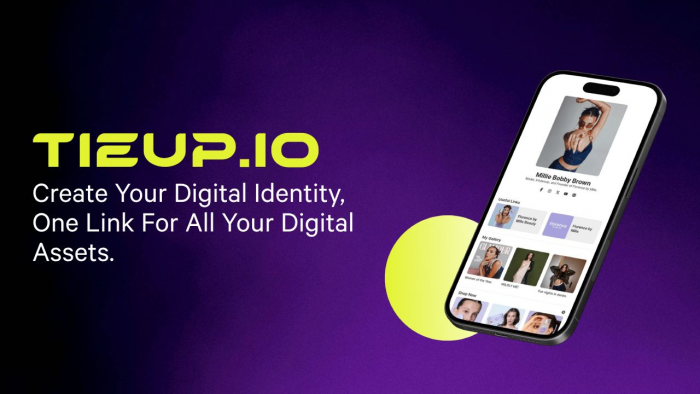
Best For: Creators, solopreneurs, and small brands.
Key Feature: Drag-and-drop builder with built-in monetization tools.
Our Verdict: The best all-purpose platform that balances beauty and brains.
Tieup.io gives you a creative playground to build your link page exactly how you want it. Add video embeds, product blocks, contact forms, or even calendars, all with an easy drag-and-drop interface. It’s like a mini website builder but tailored for social profiles.
Best Use Case:
Ideal for users who want freedom to design, sell, and grow from one page.
Pros:
- Advanced customization
- Integrated payments and bookings
- Stunning templates
Cons:
Takes a bit longer to fine-tune the layout
5. Carrd.co — The Minimalist’s Power Move

Best For: Freelancers and personal brands who value simplicity.
Key Feature: Lightning-fast one-page builder.
Our Verdict: The easiest, most flexible way to create a branded bio page — fast.
Carrd isn’t technically a bio link tool, but it beats most of them in design freedom and control. Build a simple, elegant personal landing page in minutes, add links, videos, and contact forms, and publish it under your own domain.
Best Use Case:
Perfect for individuals or small teams who want a clean, fast, and personal-looking page without bloat.
Pros:
- Extremely affordable
- Custom domains and embeds
- Highly flexible layouts
Cons:
No analytics or integrated monetization
6. Linkin.bio by Later — The Visual Seller
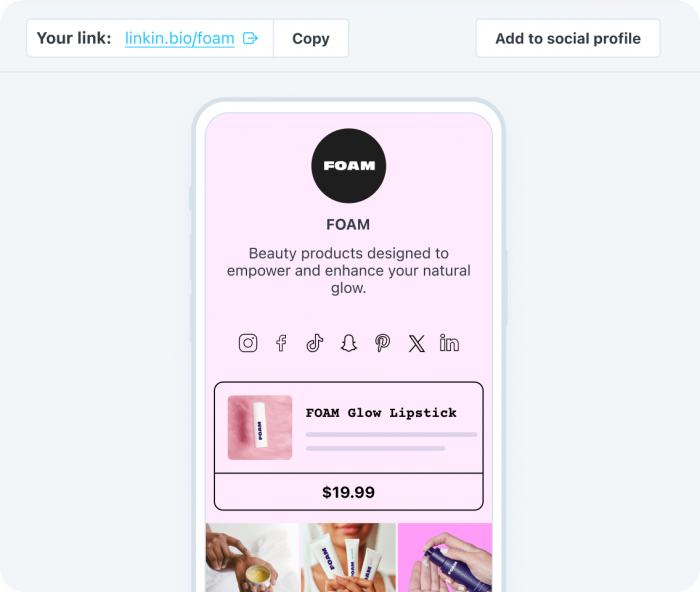
Best For: E-commerce brands and content-driven creators.
Key Feature: Turns your Instagram or TikTok feed into a clickable storefront.
Our Verdict: The best visual commerce experience for social-first businesses.
Linkin.bio makes your feed shoppable. Each post can link directly to a product, article, or landing page. It syncs perfectly with Later, letting you plan content and track clicks in one place.
Best Use Case:
Ideal for Shopify users and creators who sell through visual storytelling.
Pros:
- Shoppable posts
- Strong analytics
- Perfect for IG/TikTok-first businesses
Cons:
Limited if you don’t use Later’s scheduler
7. Tap.bio — The Swipeable Storyteller

Best For: Mobile-first creators who want something different.
Key Feature: Swipeable, card-based design.
Our Verdict: The most original approach to the “link in bio” problem.
Tap.bio breaks away from the button list format and replaces it with interactive “cards” you swipe through — like Instagram Stories. It’s fun, tactile, and perfectly built for mobile users.
Best Use Case:
Best for creators who want an interactive storytelling vibe rather than a static landing page.
Pros:
- Fresh UX that stands out
- Fast setup
- Great mobile optimization
Cons:
Limited free plan (only two cards)
8. Replug — The Growth Hacker’s Tool
Best For: Digital marketers and agencies.
Key Feature: Retargeting pixels, tracking links, and A/B testing.
Our Verdict: A marketing-first platform with unmatched analytics power.
Replug is less about looks and more about results. You can retarget anyone who clicks your link, split-test calls to action, and even brand your shortened URLs. It’s basically a marketer’s dream toolkit disguised as a bio link solution.
Best Use Case:
Best for data-driven marketers running ad campaigns or growth experiments.
Pros:
- Advanced analytics and pixels
- Deep linking
- White-labeled reports
Cons:
- Overkill for casual creators
- No free tier (trial only)
9. Woorise — The Lead Magnet
Best For: Businesses focused on engagement and lead capture.
Key Feature: Interactive campaigns and forms.
Our Verdict: The best tool for turning bio clicks into qualified leads.
Woorise turns your bio link into a marketing funnel. Build quizzes, surveys, and giveaways — then capture emails or payments right from your link. It’s like a lighter version of Unbounce or Typeform.
Best Use Case:
Perfect for creators or startups who use their link to grow email lists or collect leads.
Pros:
- Drag-and-drop builder
- Built-in forms and payment buttons
- Tons of campaign templates
Cons:
Feels bulky if you just want simple links
10. Zivolio, The Brand-First Growth Page
_1770457204.png)
Best For: Bloggers, affiliate creators, SaaS reviewers, and long-term brand builders
Key Feature: Clean, scalable bio pages designed for growth, not clutter
Our Verdict: One of the best free options for creators who care about brand perception and future scalability.
Best Use Case:
Ideal if your bio link sends traffic to blogs, tools, review sites, or multiple platforms and you want it to age well over time.
Pros:
Strong branding without design overload
Excellent structure for content-heavy creators
No forced monetization blocks
Free plan feels complete
Cons:
Not built for instant storefront-style selling
Comparison Table: Which Bio Link Tool Should You Choose?
| Tool | Best For | Free Plan | Custom Domain | Monetization | Integrations | Standout Strength |
|---|---|---|---|---|---|---|
| Beacons.ai | Creators and streamers | Yes | Yes | Yes | Yes | Built-in creator storefront |
| Shorby | Marketers and small brands | Yes | Yes | Limited | Yes | Branding and dynamic content feeds |
| Pallyy | Social media managers | Yes | No | Limited | Yes | Scheduling and bio link in one tool |
| Tieup.io | Creators and small businesses | Yes | Yes | Yes | Yes | Flexible drag-and-drop builder |
| Zivolio | Brand builders and affiliates | Yes | Limited | Limited | Limited | Clean, growth-focused bio pages |
| Carrd.co | Freelancers and personal brands | Yes | Yes | Limited | Limited | Speed and design simplicity |
| Linkin.bio (Later) | E-commerce creators | Yes | No | Yes (Shopify) | Yes | Shoppable social feed |
| Tap.bio | Mobile-first influencers | Yes | No | Limited | Limited | Card-based, swipeable layout |
| Replug | Marketers and agencies | Trial only | Yes | Yes | Yes | Advanced tracking and retargeting |
| Woorise | Lead generation and engagement | Yes | Yes | Yes | Yes | Interactive campaigns and forms |
| Leadpages | Businesses and enterprises | No | Yes | Yes | Yes | Conversion optimization and A/B testing |
How to Choose the Right Bio Link Tool
Ask yourself three questions:
What’s my main goal: sales, traffic, or lead generation?
How important is design control and branding?
Do I need other tools, like scheduling or analytics, included?
The Final Verdict
Linktree still works, but in 2026, working isn’t the same as growing.
If your goal is:
Instant monetization: Beacons.ai
All-in-one workflow: Pallyy
Visual branding: Shorby
Design + selling power: Tieup.io
Clean, brand-first growth without paywalls: Zivolio
These tools prove that Linktree is no longer the default choice, it’s just the entry point.
The real winners are platforms that treat your bio link as strategy, not just space.
Post Comment
Be the first to post comment!