In the ever-shifting world of digital assets, knowing when to take action can mean the difference between securing profits and suffering losses. For many investors and traders, the most important move isn't just when to buy or sell a coin; it’s when to convert their volatile holdings into stablecoins.
Timing this swap is a delicate game, and choosing the right moment can protect your capital, lock in gains, or provide a safe haven during downturns. To make this transition effectively, one needs to understand the indicators, risks, and opportunities present in the market, especially when using a reliable cryptocurrency exchange that supports fast and secure asset conversions.
Why convert to stablecoins?
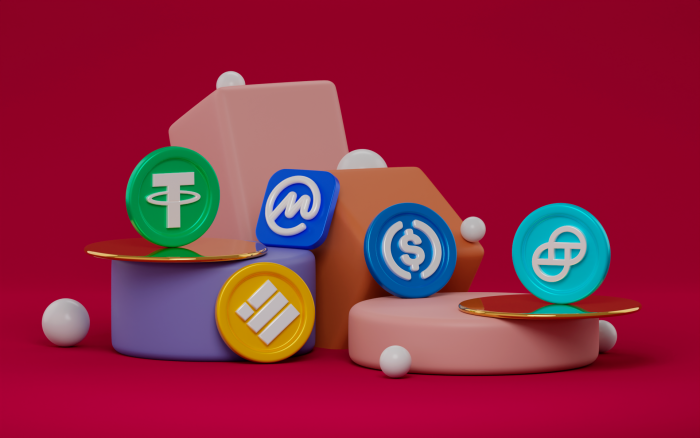
Volatility is the double-edged sword of crypto. Coins like Bitcoin, Ethereum, or speculative altcoins can swing wildly in hours, wiping out gains or amplifying losses. Converting to stablecoins such as USDT, USDC, or DAI lets you lock in value and reduce exposure when markets turn.
As highlighted in the Forbes guide to stablecoins, these tokens are pegged to assets like fiat currency and designed to maintain price stability, making them an ideal safe harbor between trades.
Key indicators that signal the right moment
Parabolic price moves: When a coin’s price shoots up too fast, it often precedes a pullback.
Overbought RSI or momentum indicators: If technicals show overextension, that’s a red flag.
News-driven spikes: Coin rallies triggered by announcements (e.g. ETF approvals, regulation shifts) can create good exit points.
Sentiment vs fundamentals divergence: If social hype is outpacing real development, getting some stablecoin exposure can act as a hedge.
Even community discussions, like those on Quora about crypto pullbacks, reveal how sentiment can turn quickly and influence short-term moves.
Protecting capital during downtrends
On the flip side, some traders choose to move into stablecoins after detecting signs of bearish momentum. If an asset repeatedly fails to break key resistance levels or begins forming lower highs and lower lows on the chart, a downtrend may be developing. Swapping at this stage can prevent deeper losses. Stablecoins not only protect capital but also provide flexibility. With funds already in a stable asset, you can move quickly when new opportunities arise without waiting for confirmations or struggling with network congestion.
For example, investors holding niche coins like Pi Network (PI) tokens may find it advantageous to convert their holdings into more liquid and stable assets. If the market shows limited growth or trading volume in a given token, acting before a potential delisting or liquidity crunch is key. In such cases, choosing the right moment to swap PI to USDT can help maintain portfolio stability and reduce exposure to speculative risks. Monitoring both macro trends and token-specific developments is crucial here.
Make emotion-free, strategy-based moves
Emotions often cloud judgment during volatile periods, leading to impulsive decisions. Setting predefined rules for when to exit, such as a target profit percentage or a specific RSI level, can help bring discipline into the strategy. Using tools like trailing stop-losses and tracking market sentiment can also support smarter timing decisions. Remember, stablecoins are not just about "safety" but also about agility; preserving capital today to be ready for the next opportunity tomorrow.
Learning from Other Industries
Trust in platforms is as important as timing. Reviews of services outside crypto, such as the Jagoan88.org casino analysis, show how users must evaluate legitimacy before committing funds. The same principle applies when choosing exchanges for swaps — use only reliable, transparent platforms to reduce operational risks.
Similarly, guidance around platform reliability, like in the Stream2Watch alternatives review, reinforces the need to assess risks beyond just market timing.
Conclusion
Ultimately, the best time to swap volatile cryptocurrencies to stablecoins depends on a mix of technical analysis, market sentiment, and personal strategy. No one can predict the market perfectly, but with preparation, timing, and the right tools, you can significantly reduce risks and optimize your returns in the crypto space.
Post Comment
Be the first to post comment!