On This Page
- Category 1: For Building a Newsletter Empire
- Beehiiv
- Category 2: For Total Control and Ownership
- Ghost
- Category 3: For Niche Communities & Creative Monetization
- Hashnode
- Category 4: For Simple, No-Fuss Blogging
- Blogger
- Category 5: For Scaling Your Content Operation
- What’s Your Goal? A Quick Guide to Choosing
The initial appeal of platforms like Medium is undeniable: instant audience access, a pristine editor, and zero setup hassle. It feels like the perfect launchpad for a serious writing career. However, for growth-minded creators, this honeymoon phase inevitably gives way to a harsh reality: you are building on rented digital land.
The constraints are too high for serious scaling. The algorithm is a black box, your traffic is locked behind someone else's gate, and you wield almost no control over essential growth levers like SEO and monetization.
This guide is structured to help you find your perfect fit. We have grouped the best Medium alternatives by their core functionality, so you can skip the noise and find the platform that will actually help you build and scale your writing business.
Category 1: For Building a Newsletter Empire
If your goal is to build a direct line to your audience and monetize it with subscriptions, these platforms are for you.
Substack
Rating: ★★★★☆
Substack is the platform that made newsletters a mainstream business model for writers. Its defining feature is its radical simplicity. There are no plugins, no complex themes, just a clean editor and a powerful system for managing free and paid subscribers.
Who it’s for: Journalists, experts, and independent creators who want the easiest possible path to starting a paid newsletter.
The Good: The user experience is flawless. You can go from an idea to a published, monetized newsletter in under an hour. You also own your email list, which is your most valuable asset.
The Bad: You are on your own when it comes to growth. Discovery on the platform is limited, so you have to bring your own audience. The 10% cut Substack takes can also feel steep once you're earning a good income.
Beehiiv
Rating: ★★★★☆
Beehiiv was built by the team behind the Morning Brew newsletter, and it shows. It takes the core idea of Substack but adds a powerful suite of tools designed for growth. Think of it as the power user's choice for newsletters.
Who it’s for: Newsletter creators who are serious about growth and want more data, customization, and monetization options.
The Good: Beehiiv comes with a built-in referral program, advanced analytics, A/B testing, and even an ad network. Its free plan is also more generous than Substack's.
The Bad: With more features comes a bit more complexity. It's not as minimalist as Substack, which might be a turn-off for some.
Category 2: For Total Control and Ownership
These platforms are for builders. If you want to create a true digital asset on your own domain with limitless potential, this is where you should look.
WordPress.org
Rating: ★★★★★
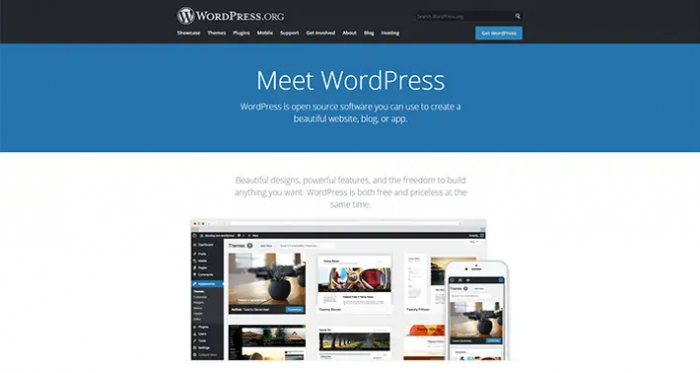
WordPress.org is the internet's default operating system. It powers over 43% of all websites for a reason. It's not just a blogging tool; it's a full-fledged Content Management System (CMS) that gives you absolute control over everything.
Who it’s for: Anyone serious about building a long-term business, from solo bloggers to large corporations.
The Good: You have 100% ownership and control. With a massive ecosystem of themes and plugins, you can add any functionality imaginable: e-commerce, forums, online courses, and advanced SEO tools.
The Bad: With great power comes great responsibility. You are in charge of hosting, security, and maintenance. The learning curve can be steep for absolute beginners.
Ghost
Rating: ★★★★☆
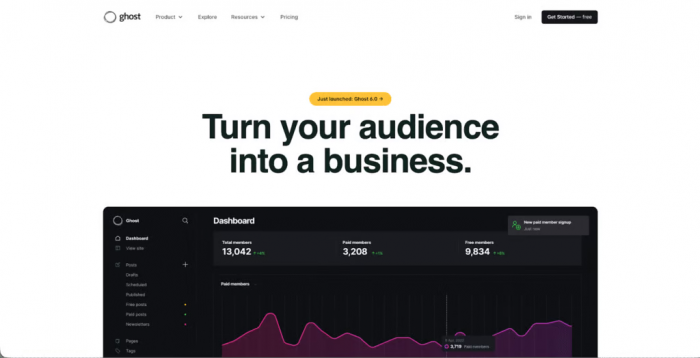
Ghost is what you'd get if Medium and WordPress had a baby. It offers the beautiful, modern writing experience of Medium but with the power of a professional, open-source CMS. It's built for publishing and comes with fantastic native tools for memberships and newsletters.
Who it’s for: Professional bloggers and media companies who want a fast, elegant, and powerful publishing platform without the complexity of WordPress.
The Good: The platform is incredibly fast, which is great for SEO and user experience. The built-in membership and subscription features are best-in-class, and Ghost takes a 0% commission.
The Bad: It's a premium product. You either need to pay for their managed hosting (Ghost Pro) or have the technical skill to host it yourself.
Category 3: For Niche Communities & Creative Monetization
These platforms offer access to built-in audiences, but they often cater to specific niches or offer unique ways to earn money.
Hashnode
Rating: ★★★★☆
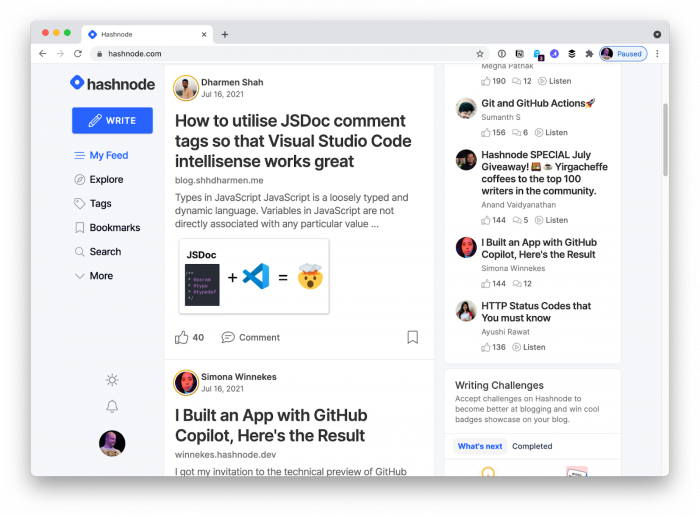
Hashnode is a blogging platform built specifically for the tech community. Its killer feature is that it lets you publish articles on your own custom domain for free, while also tapping into the platform's community for visibility. It's the best of both worlds.
Who it’s for: Software developers, engineers, and anyone writing about technology.
The Good: The Markdown editor is perfect for technical writing, with excellent code-highlighting. The ability to own your content on your domain while getting community traffic is a game-changer.
The Bad: It's extremely niche. If you're not writing for a tech audience, you won't find much traction here.
LinkedIn Articles
Rating: ★★★☆☆
Don't underestimate the power of the world's largest professional network. Publishing articles directly on LinkedIn is a fantastic way to build your personal brand, establish thought leadership, and reach a targeted B2B audience. The creator economy is projected to hit nearly half a trillion dollars by 2027, and LinkedIn is a huge part of that professional segment.
Who it’s for: Consultants, B2B professionals, and industry experts looking to build authority.
The Good: Your articles are distributed directly to your professional network, giving you instant reach. It's a powerful tool for generating leads and career opportunities.
The Bad: You don't own the platform, and there are no direct monetization features. It's a tool for brand building, not direct income.
Vocal.media
Rating: ★★☆☆☆
Vocal.media positions itself as a platform for creative storytellers, offering multiple ways to earn. You can get paid for reads, receive tips, and enter writing contests with cash prizes.
Who it’s for: Hobbyist writers and creatives who are more interested in contests and community than building a stable income.
The Good: The writing challenges can be fun and offer substantial one-time prizes.
The Bad: The pay-per-read rate is very low, making it incredibly difficult to earn a consistent income. Many writers find it hard to gain traction without a huge number of views.
Category 4: For Simple, No-Fuss Blogging
If you just want to write without worrying about monetization, hosting, or plugins, these platforms offer a quiet corner of the internet.
Write.as
Rating: ★★★☆☆
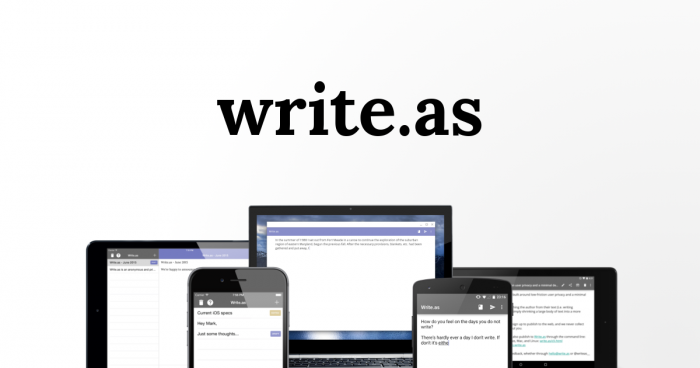
Write.as is the definition of minimalist. It’s a clean, privacy-focused platform with no comments, no claps, and no distractions. It’s built for the pure act of writing.
Who it’s for: Writers who value privacy and simplicity above all else.
The Good: The distraction-free editor is a joy to use. The platform is ad-free, tracker-free, and you can even publish anonymously.
The Bad: The features are intentionally limited. It's not a platform for building a business or a large audience, and it requires a subscription.
Blogger
Rating: ★★☆☆☆

One of the original blogging platforms, Google's Blogger is still kicking. It’s completely free, incredibly easy to set up, and reliable.
Who it’s for: Hobbyists, students, or anyone who wants a free, no-fuss blog to share their thoughts.
The Good: It costs nothing and is dead simple to use. It also integrates easily with Google AdSense if you want to run ads.
The Bad: The platform is dated. The themes are old, and it lacks the powerful features and professional polish of nearly every other modern alternative.
Category 5: For Scaling Your Content Operation
WritingManager.com
Rating: ★★★★★ (as a professional tool)

WritingManager.com is not a publishing platform itself; it's the engine room for a serious content operation. It’s a workflow tool designed to help you and your team produce high-quality, SEO-optimized content at scale. You use it to plan, write, and optimize articles before publishing them on your main site, like WordPress.
Who it’s for: Professional bloggers, SEOs, and content marketing teams who need to streamline their entire content creation process.
The Good: It integrates keyword research, SERP analysis, and content briefs directly into the editor. It's built for collaboration and ensures every piece of content is created with a strategic, data-driven approach.
The Bad: It's a professional tool with a subscription fee, and it's not a substitute for a publishing platform. It's the tool you use to power your platform.
What’s Your Goal? A Quick Guide to Choosing
- If you want to build a paid newsletter... Start with Beehiiv for its growth tools.
- If you want to build a long-term asset you own... Go with WordPress.org. It’s the undisputed king for a reason.
- If you want an elegant but powerful professional blog... Choose Ghost.
- If you are a developer who wants to blog... Hashnode is tailor-made for you.
- If you just want a free, simple place to write... Blogger is still an option.
Moving on from Medium is a sign of growth. You're ready to take ownership of your work. The right platform is out there, and choosing the one that aligns with your ambitions is the first step toward building something that lasts.
Post Comment
Be the first to post comment!