Business technology has moved past the phase of flashy upgrades and buzzworthy tools. Today, the most impactful innovations are the ones quietly improving how work actually gets done. From logistics to analytics to decision-making, smart technologies are reshaping business processes in ways that save time, reduce friction, and improve customer experiences without adding unnecessary complexity.
What’s notable about this shift is that it’s not limited to massive enterprises or cutting-edge startups. Mid-sized companies, property managers, retailers, healthcare providers, and even service-based businesses are finding that smart systems can remove daily bottlenecks that once felt unavoidable. The result is smoother operations, better use of talent, and workflows that are more resilient to growth and change. Let’s discover those technologies that are reshaping business processes at every single level.
Smarter Physical Infrastructure is Redefining Daily Operations
One area where technology has made an immediate and visible impact is physical infrastructure. Businesses that manage deliveries, inventory, shared spaces, or customer pickups have long struggled with inefficiencies tied to staffing schedules and access limitations. Smart infrastructure is changing that equation.
Solutions like smart lockers are becoming a practical answer for organizations that need secure, flexible access to goods without tying every transaction to employee availability. These systems allow items to be delivered, stored, and retrieved at times that work for customers and staff alike. In commercial properties, residential developments, universities, and retail environments, smart lockers reduce congestion, minimize lost packages, and create a more predictable flow of activity.
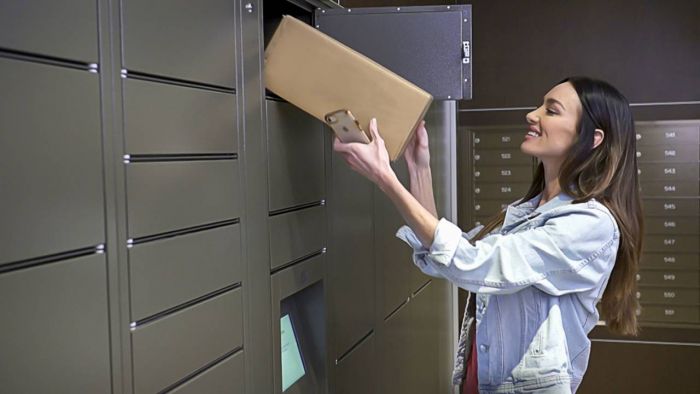
By integrating locker solutions into broader operational systems, businesses can automate notifications, track usage, and gather data on demand patterns. This turns a simple storage solution into a source of operational insight.
Automation That Removes Friction Without Removing People
Automation often raises concerns about replacing human roles, but the most effective implementations do the opposite. They free people from repetitive, low-value tasks so they can focus on work that requires judgment, creativity, and relationship-building.
Smart technologies are now handling tasks like scheduling, inventory updates, order confirmations, and internal routing with a level of accuracy that reduces errors and delays. When these systems are well-designed, they work quietly in the background, supporting teams instead of complicating their jobs.
The real benefit shows up in consistency. Automated processes don’t forget steps, rush through details, or vary from one day to the next. That reliability creates a stronger foundation for growth and makes it easier to onboard new employees without overwhelming them.
AI Tools Are Changing How Businesses Learn, Analyze, and Decide
Artificial intelligence has moved beyond experimental use cases and into everyday business operations. Companies are using advanced AI tools to analyze data faster, automate complex workflows, and support better decision-making across departments.
These tools can process large volumes of information, identify patterns, and generate insights that would take human teams far longer to uncover. In practice, this means finance teams can forecast more accurately, marketing teams can refine targeting, and operations teams can anticipate issues before they escalate.
Just as important is how businesses are approaching AI adoption. Instead of treating it as a one-time implementation, many organizations are investing in training and upskilling so teams can use AI tools confidently and responsibly. This focus on education ensures that technology enhances human capability rather than creating dependency or confusion.
Process Visibility Leads to Better Accountability
One of the less talked-about benefits of smart technology is visibility. When processes are digitized and connected, it becomes easier to see where work slows down, where errors occur, and where improvements will have the biggest impact.
Dashboards, real-time reporting, and integrated systems give leaders a clearer picture of how their organizations function day to day. This transparency supports better accountability without resorting to micromanagement. Teams know what’s expected, and leaders can intervene strategically instead of reactively.
Over time, this visibility also encourages continuous improvement. Small adjustments, informed by data rather than assumptions, compound into meaningful gains in efficiency and quality.
Customer Experience Improves When Systems Talk to Each Other
Customers rarely see internal processes, but they feel the effects when systems are disjointed. Delays, miscommunications, and inconsistent service often trace back to tools that don’t integrate well.
Smart technologies increasingly emphasize connectivity. When customer-facing platforms link seamlessly with inventory systems, scheduling tools, and fulfillment processes, the experience feels smoother and more intuitive. Customers get timely updates, accurate information, and faster resolution when issues arise.
This kind of integration also benefits employees. When they have access to complete, up-to-date information in one place, they can serve customers with confidence instead of scrambling for answers.
Post Comment
Be the first to post comment!