Samsung Electronics has officially signaled a pivotal turning point in its quest for semiconductor dominance, announcing that its sixth-generation high-bandwidth memory (HBM4) has achieved a level of market validation that suggests the tech giant is reclaiming its historical lead. In a New Year address that has resonated throughout the global tech industry, Co-CEO and semiconductor chief Jun Young-hyun revealed that the company’s latest AI-optimized chips have received exceptional feedback from top-tier clients, with some industry leaders explicitly stating that "Samsung is back." This resurgence comes at a critical juncture as the South Korean firm intensifies its efforts to overtake rivals like SK Hynix and Micron in the high-stakes race to power the next generation of artificial intelligence hardware.
The momentum surrounding Samsung’s HBM4 progress is bolstered by advanced negotiations and quality testing with industry titans, most notably NVIDIA. Following a period where the company faced challenges in the HBM3E cycle, Samsung appears to have successfully pivoted its strategy, focusing on "differentiated competitiveness" that prioritizes customized solutions for AI accelerators. This shift from a product-centric approach to a customer-oriented model is already yielding results; reports indicate that mass production for these sixth-generation chips is slated to begin as early as February 2026 at the state-of-the-art Pyeongtaek campus. By accelerating its production timeline, Samsung aims to capture a significant portion of the demand for NVIDIA’s upcoming Vera Rubin architecture and Google’s seventh-generation Tensor Processing Units.
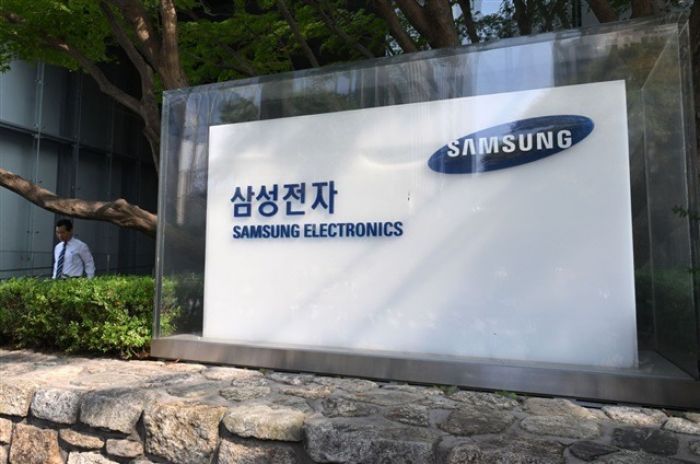
While the memory division captures the headlines, Samsung’s foundry business is also showing signs of a major leap forward. Jun Young-hyun noted that the contract chipmaking unit is "primed for a great leap" following recent high-profile agreements, including a landmark $16.5 billion deal with Tesla. This synergy between cutting-edge memory production and advanced foundry capabilities allows Samsung to offer a unique "turnkey" solution.handling everything from chip design to microfabrication which is becoming increasingly attractive to AI firms looking to streamline their supply chains. This integrated approach is expected to be a primary driver as Samsung seeks to narrow the market share gap, which currently sees SK Hynix holding a lead in the HBM sector.
However, the path forward is not without its hurdles. In a separate New Year address, Co-CEO TM Roh, who oversees the mobile and device divisions, warned of a volatile economic landscape in 2026. He highlighted rising component costs and the growing specter of global tariff barriers as significant risks that could impact the broader tech ecosystem. To mitigate these threats, Samsung is implementing a proactive supply chain diversification strategy, aimed at optimizing global operations and protecting margins against geopolitical shifts. This cautious realism from leadership underscores that while the technological breakthrough is significant, the company is also bracing for a year characterized by macro-economic uncertainty.
As the industry moves into 2026, the focus for Samsung remains clear: total AI transformation. By embedding artificial intelligence into its own internal workflows and decision-making processes, the company aims to innovate its operational speed and productivity. The "Samsung is back" sentiment reflects more than just a successful chip rollout; it represents a fundamental cultural shift within the organization to restore its technological edge. With HBM4 production capacities already largely spoken for by major AI players, the coming months will be a definitive test of Samsung’s ability to scale its innovations and translate technological praise into long-term market leadership.
Post Comment
Be the first to post comment!