There was a time when tapping a phone to pay or picking up groceries without stepping inside a store felt like a novelty. Today, contactless convenience has shifted from luxury to expectation, a transformation documented in multiple studies, including research highlighting the cultural shift toward contactless living.
From the way we shop and dine to how we work, receive packages, and even access healthcare, contactless systems now shape daily routines. This movement isn’t just about reducing physical touch; it reflects a deeper need for speed, flexibility, and control in a fast-paced world.
Smart Lockers Bring Contactless Living Home
For many people, the first real taste of contactless convenience starts right at their front door. In multifamily housing, the rise of online shopping and food delivery has overwhelmed traditional mailrooms and front desks. More and more apartments are implementing a residential package locker to help solve this problem in a high tech way.
Smart locker systems like these allow couriers to drop off deliveries securely, while residents pick them up at their own convenience with no need to coordinate schedules or risk missed packages. It’s a simple concept, but it solves a real pain point for property managers and tenants alike.
These lockers fit perfectly into the rhythm of modern living. Picture a busy apartment community where residents work hybrid schedules, travel often, or come home at unpredictable hours. With secure lockers on-site, packages stay protected and easily accessible 24/7. A clean, contactless pickup process saves staff time, reduces clutter, and helps residents feel more in control of their deliveries. I
The Convenience of Customized Meals
One of the most personal ways contactless living has evolved is in the kitchen. The explosion of meal delivery options has taken the stress out of planning, prepping, and even cooking. But it’s not just about saving time, it’s also about personalization. For people with unique dietary preferences or restrictions, services that specialize in vegan meal delivery, gluten free meals, and other needs have made it far easier to stick to a plant-based lifestyle or allergen friendly diet without giving up flavor or variety.
These services go beyond convenience; they offer a kind of freedom. Someone managing food allergies, counting macros, or simply trying to eat healthier can order meals tailored to their goals and have them appear at their doorstep, fresh and ready. For families balancing work, school, and wellness, this kind of accessibility can transform daily routines.
Shopping Without the Checkout Line
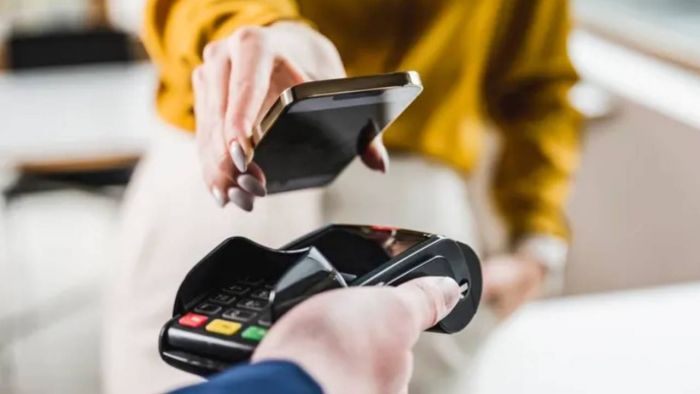
Retail has been one of the most visibly transformed sectors. Self-checkout kiosks, tap-to-pay transactions, and curbside pickup are now standard expectations. According to Forbes’ analysis on the power of contactless payments, the ability to complete purchases quickly and seamlessly has become central to customer satisfaction today.
Smart retail design now includes digital touchpoints that make transactions feel effortless. Imagine walking into a boutique, scanning a QR code to learn about a product, paying instantly from your phone, and walking out without ever standing in line. It’s smooth, human-centered, and adaptable to modern habits. Even for small businesses, the ability to offer contactless payments or in-store pickup can dramatically expand their customer reach. Convenience has become a kind of currency in itself.
The Workplace Goes Touch-Free
Workplaces have changed far beyond hybrid schedules. Offices now incorporate touch-free entry systems, motion-activated lighting, app-based meeting room reservations, and automated coffee dispensers, all designed to enhance employee comfort and reduce physical contact.
More importantly, these upgrades improve morale. When employees feel their time and comfort are prioritized, engagement rises. Many organizations in hospitality and workplace management are investing in this shift, a trend reflected in industry data on digital transformation in hospitality, showing widespread adoption of mobile-first, automated systems.
Touch-free workplaces create smooth, interruption-free environments where employees can focus on meaningful work instead of small disruptions
The Normalization of Telemedicine
Healthcare has undergone one of the most dramatic transformations through contactless adoption. What once required long commutes and crowded waiting rooms can now be handled through remote video consultations. Patients receive diagnoses, prescriptions, and therapy sessions from home, an especially valuable shift for those managing chronic conditions or mobility limitations.
Clinics benefit as well. Digital scheduling, online intake forms, automated check-ins, and patient portals streamline operations and allow providers to dedicate more time to care. This evolution is part of the broader wave of digital services reshaping consumer expectations, much like the behavioral analyses seen in real-world assessments of emerging AI convenience tools.
Conclusion
Contactless convenience has moved far beyond a trend; it has become a defining feature of modern living. From smart lockers and personalized meal delivery to touch-free workplaces and remote healthcare, each innovation reduces friction and gives people more control over their daily lives.
For businesses, the shift presents an opportunity: adapt to these expectations or fall behind. For consumers, it represents a lifestyle that prioritizes simplicity, flexibility, and seamless digital integration.
As technology continues to evolve, contactless experiences will only become more sophisticated, offering even faster, safer, and smarter ways to navigate everyday routines.
Post Comment
Be the first to post comment!