In Southeast Asia, you now see QR codes everywhere, from night markets to online checkout pages. Yet you run a business in the region. In that case, you may feel overwhelmed by the many choices, unsure which options really matter, and worried about keeping up with security and regulatory requirements. Your customers still expect smooth experiences whether they pay with ShopeePay or another local wallet, and you need a payment setup that scales without adding complexity or cost. Insights from platforms like Nextcurious show that understanding how popular wallets fit together is becoming essential for growing confidently in Southeast Asia’s digital economy.
Digital Wallet Overview in SEA
What Digital Wallets Do
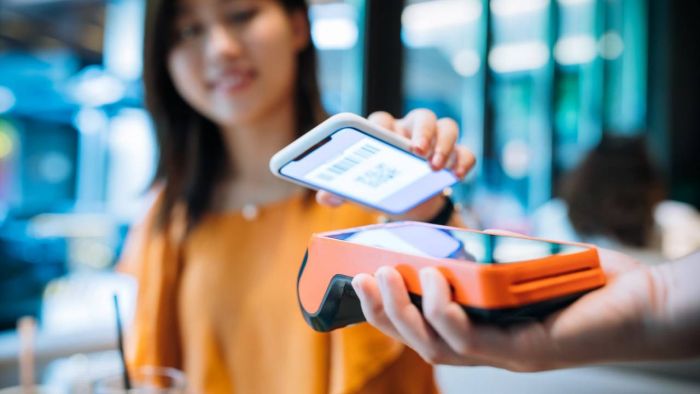
When you pay with a digital wallet like ShopeePay, you use an app that stores your payment methods and lets you move money with a few taps. You top up a balance or link a bank account, then scan a QR code, tap your phone, or choose the wallet at checkout while the app talks to banks and merchant systems in the background.
Adoption and Growth Trends
Across Southeast Asia, wallet adoption is surging because smartphones, cheap data, and online services are now part of daily life. Marketplaces, ride‑hailing apps, and food delivery platforms encourage you to pay with in‑app wallets. At the same time, regulators promote QR and real‑time payments, a pattern that Nextcurious highlights as a key driver of digital wallet growth.
Financial Inclusion and Daily Life
If you have ever struggled with cash handling or long queues, you already see the appeal of digital wallets. They give you and your customers a secure place to store value, send and receive money, and pay for everyday services without a traditional credit card, helping you reach people who were previously hard to serve.
Wallet Landscape in Southeast Asia
Country Leaders and Local Champions
Because each Southeast Asian market has its own mix of banks, super apps, and regulations, you see different “local champions” in each country. You might rely on GoPay and DANA in Indonesia, GCash and Maya in the Philippines, Touch ’n Go eWallet and GrabPay in Malaysia, or regional names like MoMo and GrabPay elsewhere. As a regional merchant, you need a practical mix of the wallets your customers already use rather than a single “winner.”
Wallets in Super Apps
Another defining feature of the region is the tight integration of wallets into super apps. When you open a ride‑hailing or delivery app, book a trip, or join an online flash sale, you are usually nudged to pay with the in‑app wallet through discounts, loyalty points, or free shipping.
Cross‑Border Use and Interop
Southeast Asia is also moving toward more cross‑border wallet use. Travel corridors such as Singapore–Thailand are linking real‑time payment systems so you can scan a QR code abroad and pay directly from your home wallet, without exchanging cash.
Shopee Wallet as a Regional Example
Origins and Market Role
Within this landscape, ShopeePay is a useful example of how a wallet can grow alongside an e‑commerce platform. Shopee’s wallet started in Indonesia and has expanded across major Southeast Asian markets, where it is now woven into promotions, vouchers, and loyalty coins, making it a natural choice whenever you shop on Shopee.
Wallet Flows and Funding
When you pay with ShopeePay, you usually follow a simple flow. You top up from a linked bank account or card, select the wallet in checkout, or scan a QR code in a store, and confirm the payment with a PIN or biometric check while the result appears in real time for both you and the merchant.
Integration with Banks and Platforms
Because the wallet sits at the centre of the Shopee ecosystem, it connects to many local banks and top‑up channels so that you and your customers can move money in and out easily, for merchants selling on Shopee or using off‑platform payment integrations, options such as APIs, hosted checkout pages, and embedded payment elements let you add the wallet without rebuilding your entire system.
Features Shaping Wallet Experience
Security and Risk Management
As you rely more on digital wallets, security becomes a daily concern. Most wallets protect you with passwords, PINs, biometrics, and real‑time alerts. At the same time, providers use tools such as tokenization, device binding, and fraud scoring to reduce the risk of unauthorised transactions.
Services Beyond Basic Payments
Research and other industry sources show that digital wallets are quickly evolving into broader financial apps. Instead of just storing balance, many wallets now offer installment options, micro‑loans, savings pockets, insurance, and rewards programs inside the same interface.
Merchant Acceptance and QR
On the acceptance side, QR technology and smartphone‑based terminals have made it much easier for you to support multiple wallets. You can start with static printed QR codes, then move to dynamic codes that show the exact amount, and even adopt “softPOS”-style setups where a regular smartphone becomes a fully functional acceptance device.
Future Directions for Businesses
Regulation and Public Infrastructure
Looking ahead, you can expect regulators and central banks in Southeast Asia to continue shaping how wallets operate. Real‑time payment rails, national QR standards, and potential central bank digital currencies will influence how easily money flows between banks, wallets, and merchants, so you benefit from partners and technologies that can adapt as rules change.
Competition and Platform Strategy
You also face a crowded field of banks, wallets, and payment platforms competing for your transactions. Traditional gateways like PayPal or Stripe provide familiar global coverage, especially for card payments, while local wallets offer higher conversion rates and more relevant rewards in specific markets.
In some cases, you can work with a provider such as Antom, which offers access to a broad mix of local payment methods through a single API, allowing you to add or remove wallets over time without rebuilding your overall architecture.
Implications for Merchants
For you as a merchant or brand, the key is to align your payment strategy with your growth plans. Map which wallets your target customers actually use, prioritise those methods online and in‑store, and make sure your checkout flows are simple and mobile‑friendly. As you expand, use data from your payments stack to see where customers drop off and which wallets drive the best repeat behaviour, then adjust your mix accordingly.
Conclusion
Digital wallets are no longer an experiment in Southeast Asia; they are part of how you shop, travel, and get paid every day. When you understand how options like ShopeePay fit into local champions, super apps, and national payment rails, and you keep learning from resources such as NextCurious, you can choose a wallet mix that truly serves your customers and supports long‑term digital success.
Post Comment
Be the first to post comment!