Netflix has acquired InterPositive, a stealth artificial intelligence filmmaking startup founded by actor and director Ben Affleck in 2022. The deal brings the company’s entire 16-person team into Netflix while Affleck will remain involved as a senior adviser.
Financial terms of the acquisition were not disclosed. The move appears to be structured as an acqui-hire, meaning Netflix is primarily bringing the technology and the team behind it into the company rather than purchasing a fully scaled product business.
The announcement, made on March 5, 2026, signals Netflix’s growing interest in integrating AI tools directly into the filmmaking process while maintaining a strong emphasis on human creativity.
What InterPositive Builds
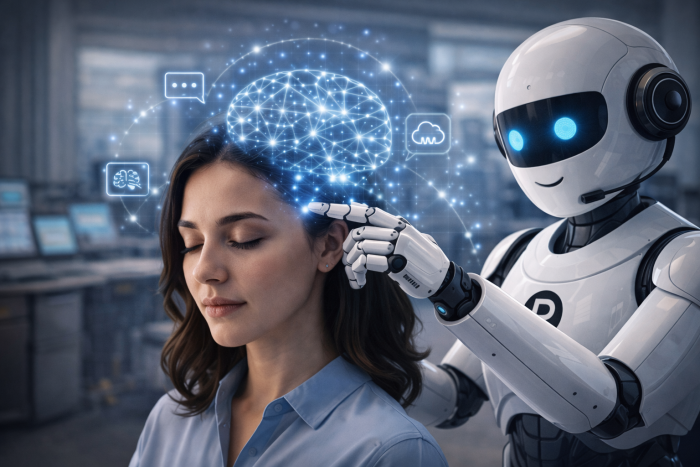
InterPositive focuses on artificial intelligence tools designed specifically for film post-production. Instead of generating scenes from text prompts or synthetic images, the platform analyzes footage from an actual film shoot to learn the visual language of that particular production.
The system trains on “dailies,” which are the raw video clips captured during filming and reviewed by directors and editors each day. By studying this footage, the AI model learns details such as lighting style, color tone, camera movement, and artistic intent.
Once trained on a project’s footage, the system can assist filmmakers with a range of technical tasks that normally require time-consuming manual work.
These tasks include adjusting color grading, relighting scenes, integrating visual effects elements, and even correcting shots that contain missing background elements or production mistakes.
The goal is not to replace creative decisions but to automate the technical processes that often slow down post-production workflows.
Affleck’s Vision for AI in Filmmaking
Ben Affleck has been outspoken about the potential for artificial intelligence to support filmmaking without undermining creative control.
According to his vision for InterPositive, the technology is designed to enhance existing footage rather than generate entirely new scenes from scratch. The system works with the material created by filmmakers, using AI to refine and accelerate the editing process.
This approach differs from many generative AI tools that create images or video based on text prompts. Instead, the technology functions more like a highly specialized assistant trained on the aesthetic of a specific production.
Affleck has described the concept as a way to preserve human storytelling while removing some of the repetitive technical work involved in finishing a film.
Netflix’s Strategy Behind the Acquisition
Netflix appears to view the acquisition as a way to strengthen its internal production technology rather than launching a new commercial software platform.
The company confirmed that the InterPositive tools will be used exclusively by Netflix productions and creative partners rather than being sold to external studios or filmmakers.
Elizabeth Stone, Netflix’s Chief Product Officer, said the acquisition reflects the company’s belief that technology should empower creators rather than replace them.
By integrating AI directly into production pipelines, Netflix hopes to accelerate editing and visual effects processes while maintaining creative oversight by filmmakers.
The move also allows Netflix to bring specialized AI talent in-house, including engineers, researchers, and creative technologists who understand both filmmaking and machine learning.
Why the Deal Stands Out in Hollywood
The acquisition is notable because it represents a different kind of technology investment for Netflix.
Unlike major studio mergers or large production company purchases, this deal focuses on a small, specialized team developing tools for film production workflows.
This strategy suggests Netflix is investing in technological capabilities that can improve efficiency across its growing slate of original films and series.
The timing is also significant because Hollywood has been grappling with the role of artificial intelligence in filmmaking. Labor negotiations involving actors and writers in recent years established new rules governing the use of AI in creative work.
Under current agreements, AI tools can be used in production as long as creators maintain control and consent to how the technology is applied.
By emphasizing creator-driven AI tools, Netflix may be attempting to avoid industry backlash while still benefiting from technological advancements.
A Broader Shift Toward AI in Film Production
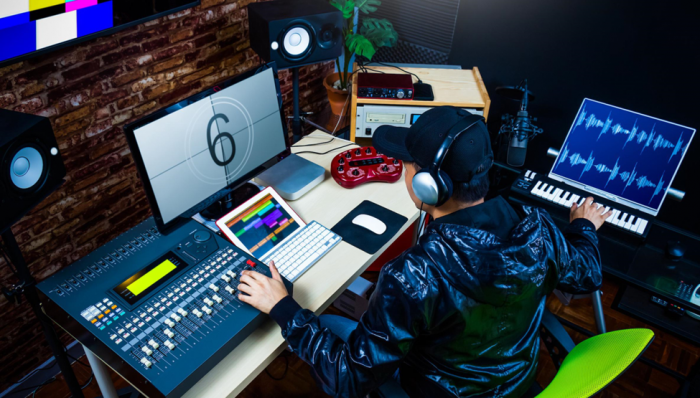
Artificial intelligence is increasingly appearing in different stages of the filmmaking process, from script analysis to visual effects generation.
Studios have already experimented with AI-assisted editing, automated visual effects workflows, and machine learning systems that help organize massive volumes of video footage.
Post-production is one of the most promising areas for AI because it involves many technical tasks that follow predictable patterns.
Color grading, scene matching, and visual corrections often require editors to repeat similar adjustments across hundreds of shots. AI systems trained on the style of a particular project can potentially perform these tasks much faster than manual workflows.
This does not eliminate the need for editors or artists. Instead, it allows creative professionals to spend more time focusing on storytelling decisions rather than technical adjustments.
What It Means for Netflix Productions
With the InterPositive team joining the company, Netflix is likely to begin integrating these tools into upcoming film and television projects.
Because the technology learns from footage captured during production, it can adapt to the visual style of each individual project. This makes it particularly useful for large productions that generate huge volumes of video content.
By reducing the time required for certain post-production tasks, the tools could help shorten editing timelines and lower costs while maintaining visual consistency.
For a streaming platform that produces hundreds of original titles every year, even small efficiency gains in post-production could translate into significant operational advantages.
The Bigger Picture
The acquisition of InterPositive reflects a broader trend in the entertainment industry. Studios are increasingly exploring how artificial intelligence can support filmmaking without replacing the creative roles of directors, writers, and artists.
Rather than relying on generative AI systems that produce entirely synthetic scenes, some studios are focusing on AI tools that work alongside human creators to streamline production workflows.
Netflix’s approach appears to follow that philosophy. By bringing a specialized AI filmmaking team into the company while keeping Ben Affleck involved as an adviser, the platform is positioning itself to experiment with new technologies while maintaining a creator-focused narrative.
If the technology proves effective, audiences may begin seeing the results in upcoming Netflix productions, even if they never realize artificial intelligence played a role behind the scenes.
Post Comment
Be the first to post comment!