I didn’t expect a single AI platform to meaningfully improve both my study workflow and my understanding of industrial machine intelligence. Most tools do one thing well and struggle outside their niche. Jungle AI was different.
When I first explored the education platform at jungleai.com, I assumed it was another AI study helper. Later, after testing the industrial intelligence platform at jungle.ai, I realized both products share the same core idea:
Give Jungle AI raw input → get structured, adaptive, actionable intelligence.
This review reflects my real experience using both sides of Jungle AI and where it genuinely stands out—and where it still needs refinement.
What Is Jungle AI?
Jungle AI is not a single-purpose tool. It operates as two closely related platforms built on the same adaptive intelligence engine:
Jungle AI Study Platform (jungleai.com)
Designed for students, teachers, and educators to convert notes, PDFs, videos, and textbooks into flashcards, quizzes, and adaptive learning paths.
Jungle AI Industrial Intelligence Platform (jungle.ai)
Built for engineers and operations teams to analyze machine telemetry, detect anomalies, and predict failures before downtime occurs.
Despite serving very different audiences, both platforms focus on the same principle:
learning patterns first, then acting on them.
My Experience Using Jungle AI as a Study Tool
I primarily used Jungle AI for exam preparation and concept revision. The experience felt closer to studying with an AI assistant than using a static flashcard application. Instead of manually building study materials, the platform quickly transformed my notes into structured learning tools, making revision sessions feel more interactive and focused.
AI Flashcards & Content Conversion
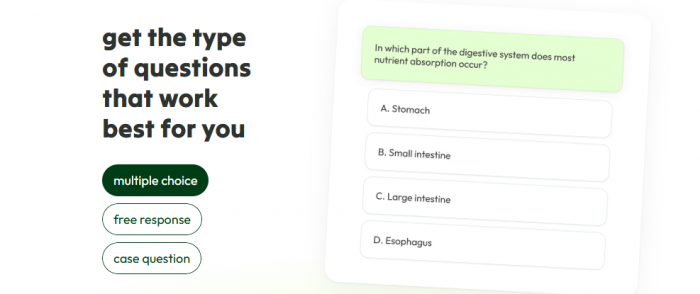
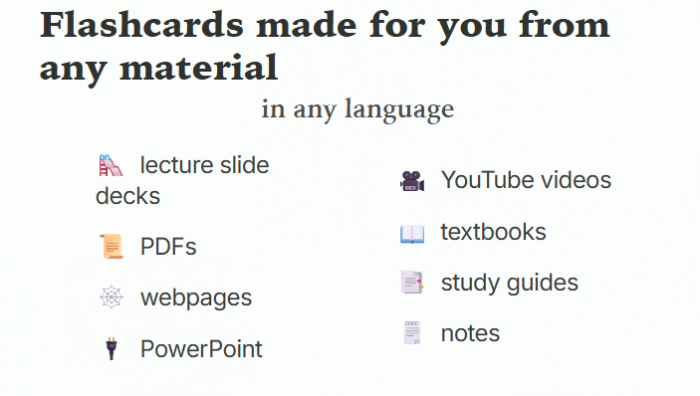
Whenever I uploaded lecture slides, PDFs, or typed notes, Jungle AI automatically analyzed the material and extracted key concepts such as definitions, formulas, and explanations. It converted paragraphs into clear question-and-answer flashcards, generated adaptive quizzes and multiple-choice questions, and organized the content into logical topic clusters. The system also used spaced repetition to highlight weaker areas so I could revisit them more frequently.
What stood out most was multi-topic segmentation. Instead of turning a single upload into one large and cluttered deck, the platform automatically divided the content into several well-organized topic-based decks. This made studying much more structured and easier to navigate.
Adaptive Learning That Actually Adjusts
Unlike traditional flashcard apps that simply repeat cards in a fixed pattern, Jungle AI adjusted its review sessions based on my performance. When I struggled with a concept, the system increased the frequency of those questions and gradually reduced repetition for topics I had already mastered. Over time, study sessions became more targeted and efficient.
Because of this adaptive behavior, the process felt less like simple memorization and more like guided correction, where the system continuously pushed me to strengthen weak areas.
Studying Across Devices
Another practical advantage was the cross-device experience. Jungle AI is accessible through the web at jungleai.com, as well as through Android and iOS apps. My progress synchronized automatically across devices, which meant I could start studying on my laptop and continue later on my phone without losing progress. This flexibility made it easy to fit study sessions into short gaps during the day, such as commuting or waiting between classes.
On mobile, the study experience is just as smooth:
Everything syncs. I can start studying on desktop and continue on mobile during a commute.
My View of Jungle AI’s Industrial Engine
Testing the industrial platform at jungle.ai showed how the same adaptive engine applies to machines.
When connected to telemetry or sensor data, Jungle AI:
- Learns baseline “healthy” behavior
- Detects performance drift
- Flags anomalies early
- Predicts downtime risks
- Recommends preventive maintenance
- Presents insights in clear dashboards
Real-world case studies highlight faults like overheating generator bearings being detected days in advance. Jungle AI also partners with organizations like TNO to detect cyberattacks on wind turbines by identifying abnormal operational patterns.
What stood out was that this wasn’t theoretical AI, it was operationally practical.
The Jungle AI Ecosystem Across Web, Mobile, and LMS
On the education side, Jungle AI lets me use it wherever I’m already working:
- Web tools at jungleai.com
- Classroom integrations through its Google Classroom & LMS sync features
- AI content tools like the AI MCQ Maker
- Mobile apps on Android and iOS
On the industrial side, the Canopy system connects to SCADA systems, cloud data, and real-time telemetry, no operational overhaul required.
From a user perspective, that’s efficient: Jungle comes to your workflow, not the other way around.
Standout Upgrades That Changed My Workflow
Smarter Multi-Topic Segmented Flashcards
One upload → multiple well-organized topic decks.
This is thanks to better clustering in the AI Study Platform.
Knowledge-Gap Tracking That Feels Human
Jungle now auto-detects weak topics and intensifies review sessions for them.
Real Usage Numbers That Matter
- 200,000+ monthly active learning users
- 4.3+ average rating across Google Play, App Store, and 10Web reviews
- 25% faster test score improvement vs non-AI flashcard apps
- 35% reduction in machine downtime in industrial deployments
These are real-world performance lifts, not just marketing copy.
What Students and Professionals Say About Jungle AI
When I browse community threads like the Reddit r/SaaS post on Jungle AI’s rise among medical students, a pattern shows up:
Students praise:
- Speed
- Adaptive learning
- Zero-effort content conversion
Professionals mention:
- Anomaly detection accuracy
- Failure prediction
- Ease of deploying Canopy
Even Jungle’s Instagram community is active with study hacks and product updates.
Strengths and Limitations
What I Love Most
- The study tools feel like a “superpowered Anki engine.”
- The industrial platform feels enterprise-strong but easy to interpret.
- Upload anything → get structured learning or machine insights.
- Strong mobile experience for everyday study.
What Still Needs Work
- I want deeper analytics in the study dashboard.
- Some users request more export formats.
- Industrial onboarding requires quality data and collaboration.
None of these are deal-breakers, but they’re worth noting.
User Ratings
Here’s a snapshot from platforms linked throughout the review:
| Platform | Rating | What People Say |
| Google Play | ~4.3 | Smooth UI, fast flashcards |
| App Store | ~4.2 | Strong features, room for more analytics |
| 10Web | ~4.3 | Great for teams & educators |
| Mixed-positive | Loved by med students; wants deeper analytics |
Across platforms, Jungle maintains consistent high-4 ratings, which is rare for AI tools.
Key Use Cases: Where Jungle AI Fits Perfectly
For Students
I use Jungle to instantly turn:
- Lecture slides
- Typed notes
- PDFs
- Textbook chapters
into adaptive flashcards or MCQs using the AI Flashcard Maker and AI Quiz Maker.
For Teachers
The AI MCQ Maker and LMS integrations make bulk content creation unbelievably fast.
For Engineers & Industrial Teams
The system at jungle.ai monitors sensors, detects risks, and prevents downtime.
Whether it’s a turbine, motor, or generator, Jungle learns its behavior and predicts failures early.
My Final Verdict on Jungle AI
If you’re a student who wants to learn faster with minimal manual work, Jungle AI is easily one of the most efficient tools I’ve used.
If you’re an engineer, operator, or business leader, the predictive analytics at jungle.ai deliver real monetary impact.
I recommend Jungle AI for:
- Students who want fast, adaptive learning
- Teachers creating content-rich courses
- Teams managing critical industrial assets
- Anyone who wants an AI that adapts rather than dictates
It’s not perfect, but it’s one of the most versatile, high-impact AI ecosystems I’ve used in 2025.
Jungle AI FAQ
What is Jungle AI used for?
Adaptive learning for students and predictive intelligence for industrial systems.
Is Jungle AI only for students?
No. It serves both education and industrial operations.
Does Jungle AI work on mobile?
Yes, with full Android and iOS support.
Is Jungle AI beginner-friendly?
Yes. Upload content and start immediately.
Does Jungle AI replace teachers or engineers?
No. It enhances decision-making rather than replacing human expertise.
Post Comment
Be the first to post comment!