Intel has formally joined Elon Musk’s Terafab initiative, a large-scale semiconductor manufacturing project in Texas designed to produce massive volumes of AI chips for Tesla, SpaceX, and xAI. The move marks a significant shift in how major technology players are approaching AI infrastructure, moving from dependency on external suppliers to building dedicated compute ecosystems.
The partnership places Intel’s foundry business at the center of one of the most ambitious chip manufacturing efforts currently proposed in the United States. While details remain limited, the collaboration signals both a strategic bet on domestic chip production and a broader attempt to control AI compute at scale.
What Terafab Represents Beyond a Typical Chip Facility
Terafab is not positioned as a standard semiconductor plant. It is being framed as a multi-factory complex capable of producing chips across several categories, including processors for autonomous vehicles, robotics, and large-scale AI data centers. The site is planned near Tesla’s Austin operations and is expected to serve as a centralized production hub for Musk’s ecosystem.
The long-term vision is unusually aggressive. Musk has described the goal in terms of reaching “one terawatt per year of compute,” a scale that reflects not just manufacturing ambition but also the growing demand for AI processing power across industries. While the metric itself is unconventional, it underscores the magnitude of the project’s intended output.
Unlike traditional fabs that serve multiple clients, Terafab appears designed primarily to support vertically integrated use cases, where the same group of companies controls both the applications and the infrastructure powering them.
Intel’s Role Signals a Strategic Reset
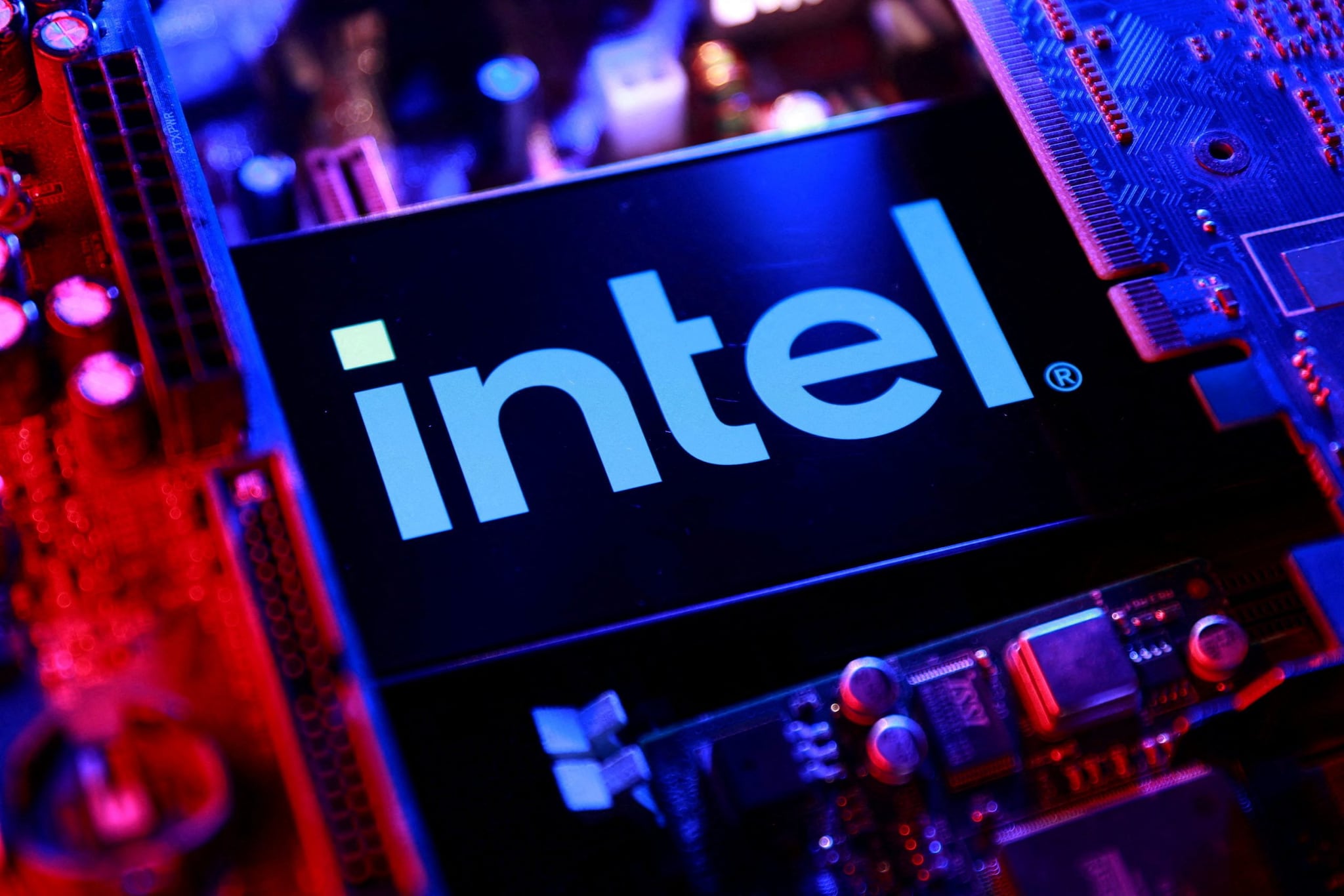
Intel’s involvement comes through its foundry division, which has been repositioning itself as a contract manufacturer for advanced chips. Within Terafab, Intel is expected to contribute across three key areas: chip design collaboration, fabrication using advanced process nodes, and packaging technologies that enable high-performance AI accelerators.
This partnership offers Intel something it has been seeking for several years: a high-profile anchor customer. Analysts view the deal as validation of Intel’s foundry strategy, particularly as it attempts to compete with established players like TSMC and Samsung in advanced manufacturing.
Market reaction reflected that optimism. Intel’s stock saw a modest increase following the announcement, suggesting investor confidence in the company’s ability to secure long-term demand through strategic partnerships.
A Multi-Company Effort Anchored by Musk’s Ecosystem
Terafab is structured around several Musk-led entities, each contributing a distinct use case for the chips being produced. Tesla is expected to rely on the facility for self-driving systems and robotics, while SpaceX could use the output for both terrestrial and space-based computing systems. xAI, Musk’s artificial intelligence venture, would depend on the chips for training and running large-scale models.
This alignment is not incidental. It reflects a broader strategy of vertical integration, where control over compute becomes as important as control over software or distribution. By building a dedicated supply of chips, Musk’s companies aim to reduce reliance on external vendors and avoid bottlenecks that have constrained AI development in recent years.
The approach also introduces a new dynamic in the industry, where infrastructure is tailored to specific ecosystems rather than shared broadly across the market.
Why the Partnership Matters for the Industry
The collaboration highlights three major shifts shaping the AI hardware landscape.
First is the push toward domestic manufacturing. Advanced AI chips are currently produced primarily in Asia, and projects like Terafab aim to diversify that supply chain by establishing large-scale production in the United States.
Second is Intel’s attempt to reposition itself. After losing ground in process leadership, the company is leveraging partnerships like this to demonstrate relevance in next-generation chip manufacturing. Securing a project of this scale strengthens its case as a viable alternative to existing foundries.
Third is the intensifying competition for AI compute. As demand for processing power continues to outpace supply, companies are moving upstream, investing directly in the infrastructure required to build and scale that compute. Terafab represents one of the clearest examples of that shift.
What Remains Unclear
Despite the scale of the announcement, several critical details have not been disclosed. Financial terms of Intel’s involvement remain unknown, including how costs and capacity will be allocated. The funding structure for the project, estimated in some reports to reach tens of billions of dollars, has not been fully outlined.
Technical specifics are also limited. While Intel is expected to provide advanced packaging and fabrication capabilities, the exact process nodes and performance targets for the chips have not been confirmed. Similarly, timelines for production remain broad, with meaningful output likely several years away given the complexity of building and scaling semiconductor facilities.
There are also open questions about how Terafab’s output will be used beyond Musk’s companies. Whether the facility eventually serves external customers or remains internally focused will shape its broader impact on the global chip market.
The Bigger Picture: Control Over Compute
At its core, the Intel–Terafab partnership reflects a deeper shift in how the technology industry views AI infrastructure. The competition is no longer limited to building better models or applications. It is increasingly about controlling the systems that enable those models to run.
By combining manufacturing, design, and application under a single ecosystem, Terafab represents a move toward tighter integration of the AI stack. Intel’s role in that system positions it not just as a supplier, but as a participant in shaping how next-generation compute is produced and deployed.
The outcome of this project will not be defined by a single chip or product. It will depend on whether large-scale, vertically integrated manufacturing can keep pace with the rapidly growing demand for AI compute.
For now, the partnership signals intent. The execution will determine whether Terafab becomes a cornerstone of the AI hardware landscape or remains an ambitious attempt to redefine it.
Post Comment
Be the first to post comment!