The landscape of personal computing is undergoing a seismic shift as Intel Corporation officially unveiled its highly anticipated next-generation processor architecture at the Consumer Electronics Show (CES) in Las Vegas. This launch marks a pivotal moment for the semiconductor giant as it seeks to fortify its leadership in the increasingly competitive AI PC market. Designed to meet the aggressive demands of generative artificial intelligence and high-efficiency mobile computing, the new silicon represents Intel’s most significant architectural overhaul in recent years, promising to redefine the balance between raw performance and energy conservation.
Industry analysts observe that this release comes at a critical juncture for the Santa Clara-based company. As rivals like AMD and Qualcomm continue to gain ground with high-efficiency ARM-based and x86 alternatives, Intel has doubled down on its proprietary "Panther Lake" architecture or its successor to deliver a definitive answer to the "performance-per-watt" challenge. The new chips are built on the cutting-edge Intel 18A process node, which utilizes advanced RibbonFET transistor technology and PowerVia backside power delivery. These technical milestones are not merely incremental updates; they are the foundation of Intel’s strategy to regain the "unquestioned leadership" crown in the silicon world.
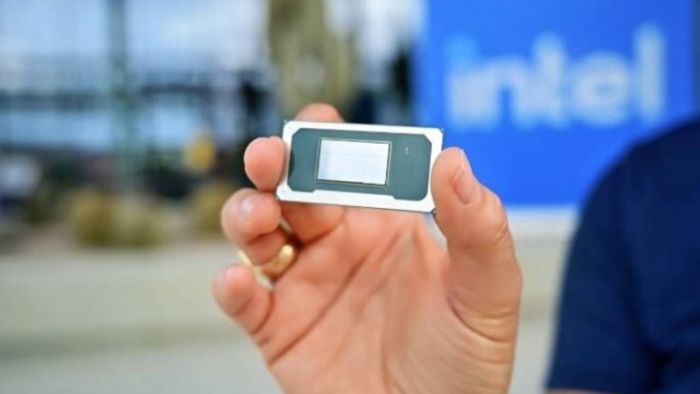
Central to the announcement is the integration of a significantly more powerful Neural Processing Unit (NPU), specifically engineered to handle complex AI workloads locally on the device. By offloading AI tasks from the cloud directly to the PC, Intel aims to enhance user privacy, reduce latency, and unlock new creative possibilities for software developers. The company demonstrated the chip's ability to run multi-billion parameter large language models and real-time video synthesis with a fraction of the power consumption required by previous generations. This shift toward "Edge AI" is expected to trigger a massive upgrade cycle across corporate and consumer sectors, as businesses seek to integrate AI tools into daily workflows without compromising data security.
Beyond the internal circuitry, Intel’s presentation highlighted a deep collaboration with major hardware partners, including Dell, HP, and Lenovo, who are expected to debut dozens of ultra-thin laptops and high-performance workstations powered by this new silicon. The move is also a clear signal to investors that Intel’s "IDM 2.0" strategy is yielding tangible results. By successfully bringing these advanced chips to market on schedule, the company demonstrates its ability to execute on a complex manufacturing roadmap while simultaneously innovating in chip design. As the curtains rise in Las Vegas, the message from Intel is clear: the future of the PC is inextricably linked to AI, and they intend to be the primary architects of that future.
Post Comment
Be the first to post comment!