On This Page
- Why this topic matters now (and not five years ago)
- What a “site name” listing actually is
- Where directory listings sit in real B2B buying behavior
- The real benefits
- The trade-offs most articles avoid mentioning
- Choosing directories that actually deserve your effort
- Optimizing a listing so it attracts buyers, not just clicks
- Reviews as infrastructure, not campaigns
- Measuring whether a “site name” listing is pulling its weight
- When listings are the wrong lever
- The quiet conclusion most teams miss
- FAQs
Why this topic matters now (and not five years ago)

Search behavior around software buying has shifted quietly but decisively. Buyers still Google brands, but increasingly they validate decisions elsewhere. Review platforms, comparison directories, and marketplaces now sit between search and sales, especially in B2B.
This is where the idea of How to Boost Your Software’s Visibility With a "site Name" Listing stops being a growth hack and starts becoming a structural question. Are you visible where buyers expect proof, not promises?
The mistake most teams make is treating directory listings as an SEO checkbox. The reality is harsher. A poorly managed listing does not just fail to help, it can actively weaken trust.
This article breaks down what listings actually do, when they work, when they do not, and how to use them without slipping into shallow promotion.
What a “site name” listing actually is
A “site name” listing lives on a third-party platform, such as a review site, marketplace, or niche directory, where buyers actively compare tools by category, features, pricing models, and peer feedback.
The important part is intent.
People browsing these platforms are not discovering software casually. They are already problem-aware. They are often building shortlists, validating internal recommendations, or looking for reasons not to choose a vendor.
That is why these listings create a different kind of visibility than blog traffic or ads. They do not introduce you. They test you.
From a visibility standpoint, listings expand your product’s surface area across category and “best tools” searches, internal directory search engines, comparison and alternative pages, and peer review ecosystems buyers trust more than vendor copy.
This visibility compounds only if the listing is treated as a living asset, not a static profile.
Where directory listings sit in real B2B buying behavior
Recent buyer-behavior research consistently shows that software comparison sites and review platforms rank among the most trusted sources during B2B evaluations. They often sit alongside vendor websites and live demos in perceived credibility. Buyers do not treat these platforms as casual browsing destinations. Instead, they use them as validation layers, places to confirm whether a product is legitimate, widely adopted, and worth deeper consideration.
What gives these directories real influence is timing in the journey. Buyers tend to consult them at specific moments, before engaging sales, after internal recommendations, or when they need evidence to justify a shortlist to stakeholders and procurement teams. At these stages, visibility is not optional. An absent listing raises questions, but a thin or outdated profile can be even more damaging, signaling neglect or lack of traction precisely when trust is being assessed.
This is why directory listings rarely create demand on their own. Their value lies in shaping outcomes once demand already exists. Well-maintained listings often correlate with shorter sales cycles, higher buyer confidence, and reduced internal friction during approvals. This kind of visibility works quietly, reinforcing decisions rather than driving them, yet it punishes neglect when teams treat listings as static or secondary.
The real benefits
Instead of abstract promises, it is more honest to frame listing impact in concrete terms.
First, problem-aligned discovery. Directories categorize by use case, not brand recognition. This allows smaller or newer products to appear in front of buyers searching for outcomes, not names.
Second, borrowed credibility. Being present on recognized platforms with open reviews signals legitimacy. Buyers may not trust ratings blindly, but absence raises questions.
Third, qualified referral traffic. Well-maintained listings consistently send lower-volume but higher-intent traffic, such as demo requests, trials, and RFPs rather than casual visits.
Fourth, indirect SEO reinforcement. Listings can support organic visibility through backlinks and brand mentions, but only when the directory itself ranks and attracts engaged users.
None of this replaces core marketing. It supplements it, when done deliberately.
The trade-offs most articles avoid mentioning
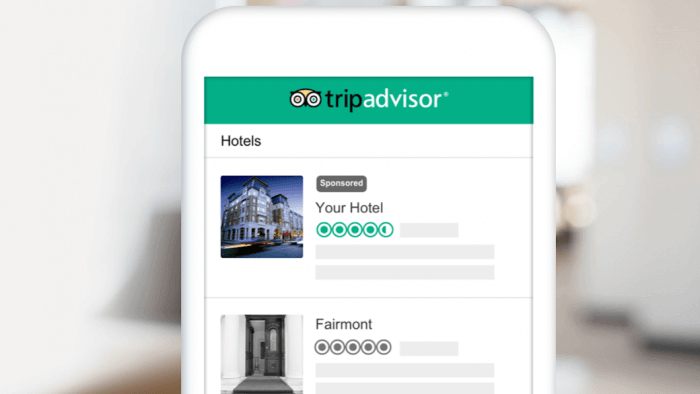
Listings are not neutral environments.
Many platforms monetize visibility through paid tiers, sponsored placement, and lead routing. This can distort rankings and comparison views even when filters appear objective.
There is also review quality risk. Aggressive incentive programs often produce shallow feedback that savvy buyers discount, or worse, distrust.
Finally, directories can flatten differentiation. If your listing reads like everyone else’s, you blend into a category grid and lose narrative control.
Acknowledging these constraints is not pessimism. It is how you avoid misusing the channel.
Choosing directories that actually deserve your effort
The question is not where can we list. It is where buyers already look.
That requires validating whether your ICP recognizes the platform, whether your category is clearly defined and active, whether category pages rank for meaningful queries, and whether reviews appear current and moderated.
General directories offer reach. Niche directories offer relevance. The right mix depends on how your buyers research, not on traffic numbers alone.
Cost matters too. Paid placements should be evaluated like performance spend, not branding exercises.
Optimizing a listing so it attracts buyers, not just clicks
Most underperforming listings fail for one reason. They talk like marketing pages.
Strong listings do the opposite. They clearly state who it is for, what problem it solves, and where it fits, as well as where it does not.
Descriptions should lead with outcomes, not adjectives. Screenshots should show real workflows, not abstract visuals. Videos should demonstrate value quickly, not sell a vision.
Pricing clarity matters more than persuasion. Buyers want to know whether a conversation is worth starting.
Perhaps most importantly, listings must stay current. Stale information signals neglect faster than any negative review.
Reviews as infrastructure, not campaigns

Reviews work best when they emerge naturally from customer success, not from mass email blasts.
High-trust profiles tend to show reviews from different roles, specific trade-offs, and vendor responses that acknowledge nuance.
Public responses to criticism matter. They show maturity and accountability, traits buyers look for when risk is high.
Reviews should be treated as a slow-building asset. They compound quietly over time.
Measuring whether a “site name” listing is pulling its weight
Visibility without accountability is noise.
| What to Measure | What It Tells You | Why It Matters |
| Referral traffic & conversions | Whether the listing sends visitors who take meaningful actions | Separates passive visibility from real demand |
| On-platform engagement | How often buyers view, compare, or click through your listing | Indicates active evaluation behavior |
| Review velocity & sentiment | How frequently reviews appear and how balanced they are | Signals trust and freshness |
| Sales cycle influence | Whether influenced deals close faster | Validates listings as decision accelerators |
| Paid tier ROI | Incremental pipeline or revenue | Forces spend to compete with performance channels |
When listings are the wrong lever
Some products simply will not benefit.
Early-stage tools without stable positioning struggle to convert directory traffic. Ultra-niche solutions often perform better through direct relationships and partnerships. Teams without bandwidth to maintain profiles risk signaling abandonment.
In those cases, skipping listings is often the more disciplined choice.
The quiet conclusion most teams miss
How to Boost Your Software’s Visibility With a "site Name" Listing is not about being everywhere. It is about being credible where buyers already look.
Listings do not reward hype. They reward clarity, consistency, and proof.
When treated as a strategic channel, maintained, measured, and aligned with real buyer behavior, they become one of the few places where visibility and trust grow together.
When treated as a checkbox, they fade into the background, or worse, work against you.
FAQs
Are software directory listings still relevant in 2025?
Yes. Particularly in B2B, comparison and review platforms remain trusted evaluation sources.
Do listings directly improve SEO rankings?
Not directly. They support SEO through brand mentions and backlinks when directories attract relevant traffic.
Should early-stage startups invest in listings?
Only with clear positioning and real customer proof.
Are paid directory plans worth it?
Sometimes. They should be judged on qualified pipeline, not exposure.
How many reviews are “enough”?
There is no fixed number. Recency and depth matter more than volume.
Can bad reviews hurt more than help?
Not necessarily. Thoughtful responses often increase trust.
Post Comment
Be the first to post comment!