The dream of understanding any language in real-time without bulky specialized equipment has finally arrived for smartphone users. In a groundbreaking update released this week, Google Translate has introduced a feature that transforms any pair of standard headphones into a universal translator. This new capability, powered by the company's advanced Gemini artificial intelligence models, allows Android users to hear live, speech-to-speech translations directly in their ears, breaking down communication barriers more effectively than ever before.
Unlike previous iterations that required specific hardware like Pixel Buds, this latest update democratizes the technology by supporting any wired or Bluetooth headphones connected to an Android device. The system leverages the sophisticated Gemini 2.5 Flash Native Audio model to go beyond simple word-for-word conversion. Instead of the robotic, monotone delivery that has plagued digital translators for years, this new AI preserves the original speaker's tone, cadence, and emphasis. This means that if someone is speaking excitedly or asking a question with rising intonation, the translated audio in your ear will reflect those emotional nuances, making conversations feel significantly more natural and engaging.
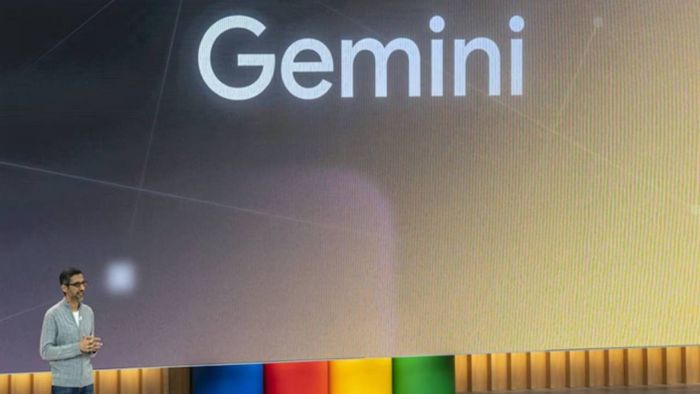
The practical applications for this technology are immense, ranging from international travel to education and entertainment. Travelers can now engage in fluid two-way conversations where the AI handles complex idioms and local slang with ease; for instance, understanding that a phrase like "stealing my thunder" is a figure of speech rather than a literal theft. Students attending lectures in foreign universities or movie enthusiasts watching international films without subtitles can utilize the "continuous listening" mode to receive a steady stream of translated audio. The feature currently supports over 70 languages, ensuring broad coverage for global communication.
Google has initiated the rollout of this beta feature in the United States, India, and Mexico, with plans to expand to more regions soon. To access it, users simply need to open the Google Translate app and tap the new "Live translate" option while wearing their preferred headset. While the functionality is currently exclusive to the Android ecosystem, iPhone users can expect to receive support for these real-time translation capabilities in 2026. This update marks a significant leap forward in ambient computing, where technology seamlessly assists in human interaction without demanding constant attention to a screen.
Post Comment
Be the first to post comment!