Google is rolling out a major upgrade to Gemini by connecting its Nano Banana 2 image generator directly to Personal Intelligence, the company’s opt-in system that lets Gemini understand a user’s life across Google apps and services. The result is a more personalized kind of image creation, where Gemini can generate visuals based not only on what a user types, but also on the context it already understands from connected services such as Gmail, Google Photos, Calendar, Drive, YouTube, and Search.
That changes the nature of prompting inside Gemini. Instead of writing long, detailed image instructions, users can now ask for something simple, such as a dream house or a stylized family scene, and Gemini fills in part of the visual logic based on known preferences, routines, aesthetics, and personal history. Google is presenting this as a major step beyond generic AI-generated images, pushing Gemini closer to a system that can create visuals grounded in a user’s real life rather than broad, stock-like interpretations.
Personal Intelligence now extends into creative image generation
Until now, Personal Intelligence has mostly been framed as a way for Gemini to answer personal questions with more context. It could use linked Google services to help users find travel plans in emails, old photos from a trip, or details about appointments and reminders. With this new update, that same system is being extended into image creation.
That means Gemini is no longer just using personal data to answer questions. It is using it to shape visual output. If a user connects Google Photos, for example, Gemini can work with labeled faces, pets, and past moments to generate more personalized images without requiring the user to upload files again and again. In practice, this could mean asking for an image of your family on a desert island in claymation style, or a dream home that reflects your actual design preferences, favorite colors, and lifestyle habits.
This makes Gemini feel less like a standard image generator and more like a creative assistant that already knows enough about you to make prompting shorter and more natural.
Nano Banana 2 becomes the engine behind Gemini’s more personal visuals
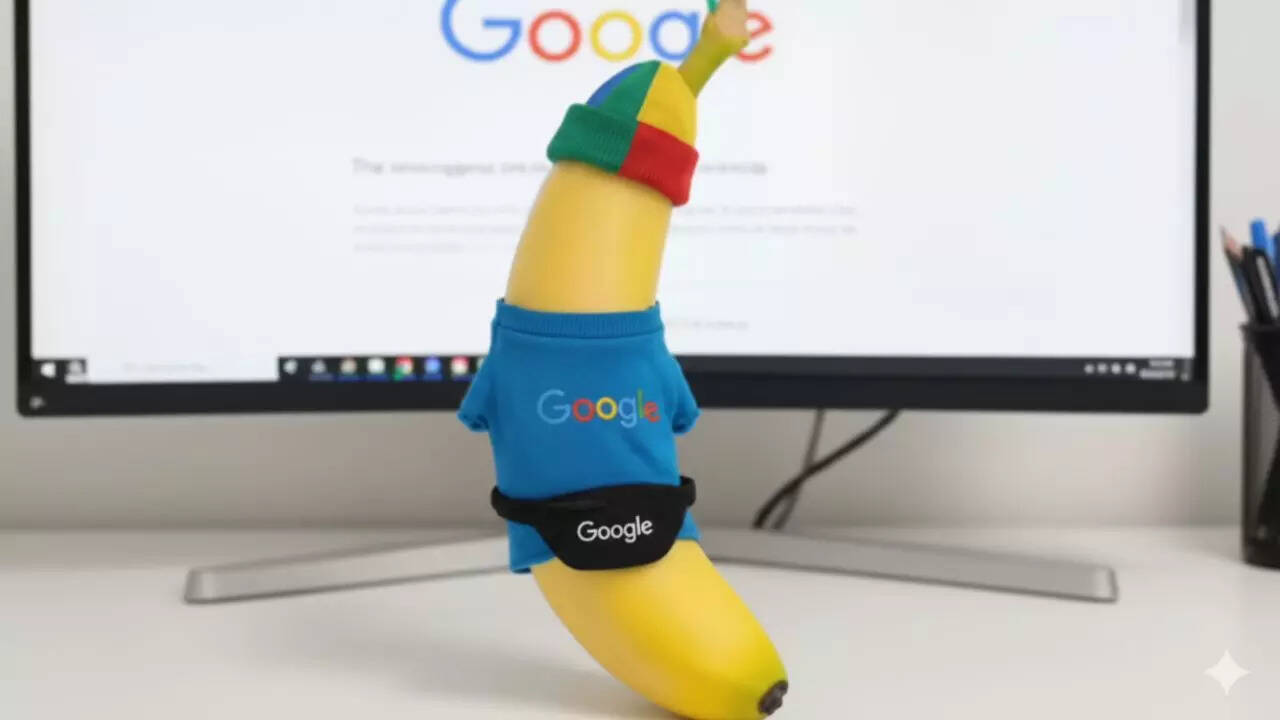
The image-generation layer powering this update is Nano Banana 2, Google’s newer, faster built-in image model. The company has already been pushing Nano Banana 2 as the default fast image model inside Gemini, and this latest rollout gives it a much more strategic role.
What makes the integration notable is that the image generation is native to Gemini rather than outsourced to a completely separate tool. In theory, that means the same AI system can understand the prompt, understand the user’s personal context, and generate the image as part of one continuous process. That should make the output feel more aligned with intent, especially when prompts are short or emotionally specific.
This is one of the clearest ways Google is trying to differentiate Gemini from competing image tools. Many AI image platforms can generate impressive visuals, but they do not have direct access to a user’s connected ecosystem of emails, calendars, photos, search history, and personal preferences. Google does, which gives Gemini a much deeper context layer to work from.
Paid U.S. users are getting it first
The feature is rolling out first to paid Gemini users in the United States, including Google AI Plus, Pro, and Ultra tiers. Google is taking a staged approach, so not every eligible user will see it immediately. The rollout is gradual, and early reporting suggests that Europe is not part of the first wave, likely because of privacy and regulatory constraints.
Google also expects the feature to expand into more Gemini surfaces over time, including Chrome desktop and additional entry points where Personal Intelligence is already being integrated. Users who have already connected apps through Personal Intelligence do not need a separate setup for the image feature. If those permissions are already in place, Gemini can start using that context for image generation as the update reaches their account.
This staged release suggests Google is treating the feature as both a product upgrade and a real-world test of how comfortable users are with highly personalized AI-generated images.
Privacy and control are central to the rollout
Because the update depends on personal data, Google is emphasizing user control throughout the launch. Personal Intelligence remains opt-in, which means users must actively enable it and choose which apps Gemini can access. They can also disconnect those services later or revoke permissions entirely if they no longer want Gemini to use that context.
Google is also stressing that private content from Gmail, Photos, Drive, and other personal services is not being used to directly train its core models. At the same time, the company acknowledges that limited interaction data, such as prompts and responses, may still be used to improve the system.
That privacy framing matters because the feature pushes Gemini into a more intimate role. This is not just a chatbot answering public questions anymore. It is an AI system that can effectively “see” enough of your life to create visual scenes based on your family, habits, preferences, and memories. For some users, that will feel powerful and convenient. For others, it may feel like a more personal line is being crossed.
Google is turning Gemini into more than an assistant
The bigger significance of this update is that it moves Gemini beyond information retrieval and into something closer to personalized creative software. Google is no longer just building an assistant that can summarize emails or answer questions. It is building one that can generate visuals from a user’s own context, tastes, and relationships.
That has strategic implications. If Gemini can combine language understanding, personal context, and native image generation in one system, it becomes a very different kind of AI product. Instead of asking users to spell out every detail, Google wants the assistant to already understand enough to make creation faster, shorter, and more intuitive.
That also raises the competitive stakes. Rival image generators may still be strong in raw creative output, but they generally rely on more explicit prompts because they do not sit on top of a user’s email, photos, search activity, and other personal data. Google’s advantage is that Gemini can become more useful precisely because it is more connected.
A more powerful feature, and a more sensitive one
This update could become one of Gemini’s most compelling consumer-facing AI features because it makes image generation feel more personal and less mechanical. It reduces the burden of prompting and turns Gemini into something closer to an assistant that can visualize parts of your life rather than just respond to text.
At the same time, it introduces a new level of sensitivity into generative AI. The more personal the results become, the more important trust, permissions, and transparency become as well. Users are likely to judge this feature not just by how good the images look, but by how comfortable they feel letting Gemini know enough about their lives to imagine those images in the first place.
That is why this upgrade matters. It is not just another image-model refresh. It is a sign that Google wants Gemini to become a system that can understand, organize, and now creatively reinterpret a person’s digital life.
Post Comment
Be the first to post comment!