The landscape of autonomous mobility is shifting from the mechanics of driving to the art of the passenger experience, as Waymo begins testing a sophisticated in-car AI assistant powered by Google’s Gemini model. This internal pilot, recently uncovered through detailed research into the company’s software architecture, marks a significant milestone in Alphabet’s effort to fuse generative artificial intelligence with its world-leading self-driving technology. Dubbed the "Waymo Ride Assistant," the system is designed to transform the often-silent journey of a robotaxi into an interactive, personalized experience that prioritizes rider comfort and psychological reassurance.
According to technical specifications and system prompts revealed by security researcher Jane Manchun Wong, the assistant utilizes a native audio version of Gemini 2.5 Flash, specifically optimized for brief and helpful verbal interactions. The AI is programmed with a clear, friendly identity, welcoming passengers by their first names and referencing their trip history to build a sense of familiarity. Unlike the standard "Waymo Driver" software that handles the actual navigation, this conversational companion serves as a high-tech concierge. It is capable of answering general knowledge questions ranging from local weather updates and sports scores to the closing times of nearby businesses, all while maintaining a concise tone of one to three sentences to avoid overwhelming the cabin environment.
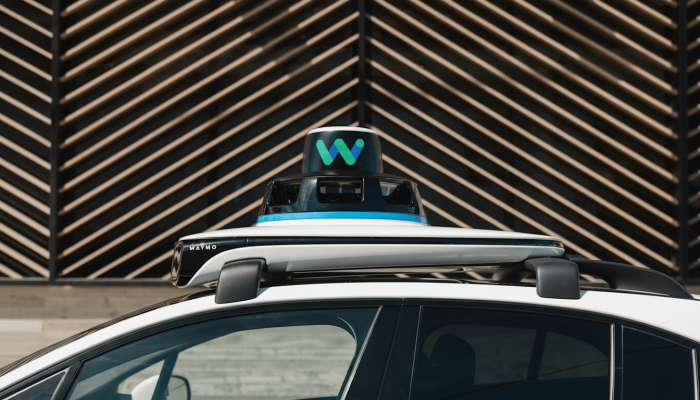
The integration extends beyond mere conversation into the physical realm of vehicle control. The Gemini-powered assistant is currently being tested for its ability to manage in-cabin functions such as climate control, lighting, and music selection through voice commands. However, the system is governed by strict operational guardrails. For instance, the AI is notably restricted from altering the vehicle’s route, adjusting seat positions, or operating windows actions that remain under the jurisdiction of the core driving system or the primary touchscreen interface. When a passenger requests a feature beyond its current scope, the assistant is instructed to respond with "aspirational phrases" like "It’s not something I can do yet," ensuring a transparent and safe user expectation.
Perhaps the most critical aspect of the new integration is the psychological bridge it builds between the passenger and the machine. In the wake of recent real-world challenges, such as a major power outage in San Francisco on December 20, 2025, that temporarily stalled several autonomous vehicles, the role of an AI "reassurer" has become paramount. The system is programmed to offer calming, neutral explanations when a vehicle encounters an unexpected stop, though it is strictly forbidden from commenting on real-time driving maneuvers or specific safety incidents. By maintaining a clear distinction between the "assistant" and the "driver," Waymo aims to avoid confusion regarding who is in control of the vehicle’s safety, answering technical questions about the car's sensors by referring to the "Waymo Driver" in the third person.
This move follows Waymo’s aggressive expansion across the United States, where it now provides more than 250,000 fully autonomous paid rides weekly in cities including Phoenix, San Francisco, Los Angeles, and Austin. The company has already been utilizing Gemini’s "world knowledge" to train its driving models a project known as EMMA to better understand complex, high-stakes road scenarios. By bringing this intelligence directly into the cabin, Waymo is not just moving people from point A to point B; it is defining a new standard for human-machine interaction. As the technology matures from internal testing to public release, the presence of a "universal AI assistant" in every robotaxi could soon make the autonomous experience feel less like a ride in a computer and more like a journey with a dedicated, intelligent host.
Post Comment
Be the first to post comment!