When AI Met Ghibli—And the Internet Went Wild
Ever wanted to see yourself as a Studio Ghibli character? So did millions of others.
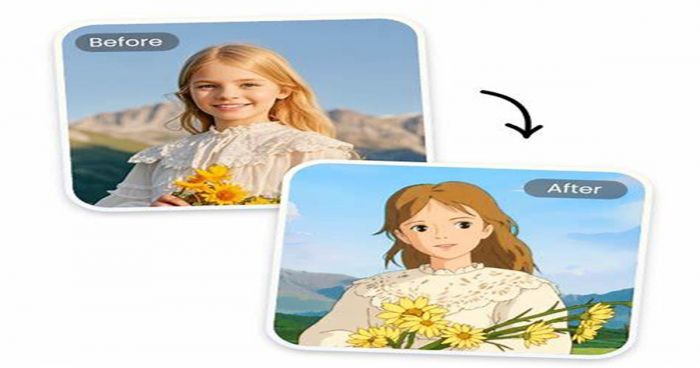
OpenAI’s latest image-generation feature went viral last week, allowing users to turn prompts into dreamy, hand-drawn-style images—eerily reminiscent of Hayao Miyazaki’s iconic Ghibli animation.
That’s when the real magic (and chaos) began.
ChatGPT Usage Hits an All-Time High
ChatGPT’s weekly active users surged past 150 million for the first time in 2025. OpenAI CEO Sam Altman confirmed on X: “We added one million users in the last hour.”
Clearly, AI art isn't just a novelty—it’s becoming a powerful engagement magnet.
And that’s just one layer of the story.
Where Creativity Ends and Copyright Begins
As stunning as the art is, it raises serious questions. Ghibli’s signature style is unique and deeply protected. While AI doesn’t copy existing frames, it mimics the artistic DNA, creating legal grey areas around style imitation, especially in commercially shared images.
This debate opens a larger conversation.
The Future of AI in Visual Storytelling
The “Ghibli Effect” is more than a trend—it’s proof that AI creativity is catching up with human expression. But as tech blends with artistry, creators, companies, and regulators must find a way to co-exist without overstepping originality.
Because what’s next may not just go viral—it might redefine ownership in the age of AI.
Post Comment
Be the first to post comment!