On This Page
- The Growing Complexity of Remote Workforce Management
- Faster Payroll Processing for Distributed Teams
- Improved Access to Payroll Records
- Better Compliance and Recordkeeping
- Supporting Employee Transparency and Trust
- Enhanced Security for Payroll Information
- Flexibility for Freelancers and Hybrid Teams
- The Future of Remote Payroll Management
Remote work has permanently changed the way businesses operate. Companies now hire employees, contractors, and freelancers across different cities and countries without maintaining a centralized office. While this creates flexibility and access to wider talent pools, it also introduces new administrative challenges. Payroll processing, income verification, tax documentation, and employee recordkeeping all become more complex when teams are distributed across multiple locations.
Digital pay stub platforms have emerged as a practical solution for managing these responsibilities efficiently. These platforms help employers streamline payroll documentation while giving remote workers fast access to accurate earnings records. As remote and hybrid work models continue to expand, digital payroll systems are becoming essential tools for workforce management.
The Growing Complexity of Remote Workforce Management
Managing payroll for remote employees is different from handling payroll in a traditional office environment. Employers must deal with varying pay schedules, tax regulations, overtime policies, and contractor agreements depending on where workers are located.
Manual payroll systems often create delays and increase the risk of calculation errors. Sending physical payroll documents is also inefficient when employees work remotely. Businesses need systems that allow workers to securely access their financial records from any location at any time.
Digital pay stub platforms simplify this process by automating payroll documentation and centralizing employee payment information. Instead of relying on spreadsheets or paper records, companies can generate digital pay stubs instantly and distribute them securely through cloud-based systems.
Faster Payroll Processing for Distributed Teams
One of the biggest advantages of digital payroll platforms is speed. Remote teams often work across multiple time zones, making traditional payroll coordination difficult. Delayed payments can negatively impact employee satisfaction and trust.
Automated systems reduce processing time by calculating wages, deductions, bonuses, and taxes automatically. Employers can issue pay stubs immediately after payroll approval, ensuring workers receive documentation without waiting for printed copies or manual emails.
This efficiency becomes especially valuable for companies with freelancers or contractors who require fast payment verification for financial applications, tax filings, or loan approvals.
Some businesses also use a paystub generator also called pay stub maker to simplify payroll record creation for contractors and temporary workers. These tools help organize earnings documentation while reducing administrative workload for payroll departments.
Improved Access to Payroll Records
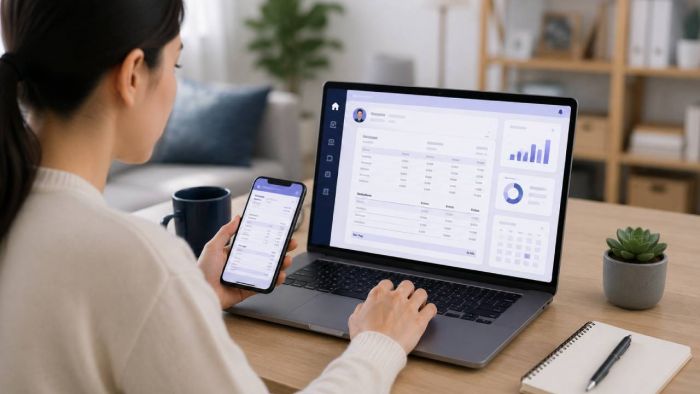
Remote employees expect instant digital access to workplace resources, including payroll information. Cloud-based pay stub platforms allow workers to view, download, and store earnings records securely from laptops or mobile devices.
This accessibility eliminates many common payroll support requests. Employees no longer need to contact HR departments to request copies of old pay stubs or verify previous earnings information. Instead, they can retrieve documents independently through secure employee portals.
Easy access to payroll records also benefits remote workers who frequently need proof of income for apartment rentals, mortgage applications, or financial planning. Having organized digital records improves convenience while reducing administrative bottlenecks for employers.
Better Compliance and Recordkeeping
Compliance is one of the most important aspects of workforce management. Businesses must maintain accurate payroll records while complying with labor regulations and tax reporting requirements.
Remote work creates additional complexity because laws may differ depending on where employees live and work. Digital pay stub systems help companies stay organized by storing payroll records in centralized databases with automated tracking features.
Many platforms also maintain detailed audit trails, helping businesses demonstrate compliance during tax reviews or labor inspections. Automated calculations reduce human error, which lowers the risk of payroll disputes and reporting inaccuracies.
For companies scaling remote operations, organized payroll documentation is critical. Digital systems create consistent payroll workflows that can support growth without overwhelming HR and accounting teams.
Supporting Employee Transparency and Trust
Transparency is essential for maintaining positive relationships with remote employees. Workers want to clearly understand how their wages are calculated, including deductions, taxes, overtime, and reimbursements.
Digital pay stubs provide detailed breakdowns of earnings that employees can review whenever needed. This transparency reduces confusion and helps prevent disputes related to compensation.
Remote employees often feel disconnected from company operations because they do not interact with payroll or HR departments in person. Providing accurate and easily accessible payroll information helps strengthen trust between employers and distributed teams.
Businesses that prioritize transparency are also more likely to improve employee retention and satisfaction. Clear payroll communication contributes to a more professional and reliable work environment.
Enhanced Security for Payroll Information
Payroll records contain sensitive employee information, including salary details, tax data, and banking information. Protecting this information is critical for both legal compliance and employee confidence.
Paper pay stubs and unsecured email attachments create security risks, especially when teams operate remotely. Digital payroll platforms typically use encrypted systems, password-protected portals, and secure cloud storage to reduce the risk of unauthorized access.
Many platforms also include multi-factor authentication and permission-based access controls. These features help businesses protect payroll data while ensuring employees can securely retrieve their records when necessary.
As cybersecurity concerns continue to grow, businesses increasingly rely on digital payroll systems to strengthen information security practices.
Flexibility for Freelancers and Hybrid Teams
Modern workforces often include a mix of full-time employees, contractors, freelancers, and part-time workers. Managing payroll for these different groups requires flexible documentation systems.
Digital platforms allow businesses to customize payroll records based on worker classifications and payment structures. Companies can create pay stubs online for multiple worker types without relying on separate manual systems.
This flexibility is especially valuable for startups and growing businesses that regularly onboard remote contractors for short-term projects. Efficient payroll documentation helps businesses maintain organized financial records while adapting to changing workforce needs.
The Future of Remote Payroll Management
Remote work is no longer a temporary trend. Businesses across industries continue to embrace flexible workforce models that require scalable administrative systems. Digital pay stub platforms are becoming central to this transition because they simplify payroll management, improve accessibility, and support compliance.
As technology continues to evolve, payroll platforms will likely integrate even more automation, analytics, and employee self-service features. Companies that adopt these systems early may gain operational advantages by reducing administrative burdens and improving workforce efficiency.
For remote teams, accurate and accessible payroll documentation is more than a convenience. It is a critical component of financial organization, employee trust, and long-term business scalability.
Post Comment
Be the first to post comment!