On This Page
- What Cross Market AI claims to do
- Key features commonly promoted
- How Cross Market AI works (step by step)
- Step 1: Create an account
- Step 2: Connect or select markets
- Step 3: The AI analyzes cross-market data
- Step 4: Review insights and signals
- Step 5: Set alerts or integrate with trading workflow
- Safety, privacy, and reliability considerations
- 1. No AI tool can guarantee profits
- 2. Data quality matters
- 3. Privacy considerations
- 4. Platform transparency
- 5. Market risk still applies
- Pros and cons of Cross Market AI
- Comparing Cross Market AI With Popular AI Market Platforms
- Real User Reviews and Market Feedback
- What users tend to like
- 1. The cross-market perspective feels valuable
- 2. Time savings in research
- 3. Clean, dashboard-style experience (in most versions)
- 4. Helpful as a secondary confirmation tool
- Common complaints and concerns
- 1. Signals are not always reliable
- 2. Learning curve for new traders
- 3. Pricing sensitivity (where applicable)
- 4. Transparency questions
- Where Cross Market AI fits in today’s trading landscape
If you have been exploring AI-powered trading or market analysis tools lately, you may have seen Cross Market AI appearing in search results and online discussions. Interest in the platform is growing because it promises something many traders want: smarter insights across multiple financial markets using artificial intelligence. Instead of analyzing stocks, crypto, or forex in isolation, Cross Market AI positions itself as a tool that looks at connections between markets to help users make more informed decisions. For beginners, that idea sounds powerful. But as with any AI-driven financial tool, it is important to understand what it actually does, how it works, and where its limits are.
What Cross Market AI claims to do
Cross Market AI is typically marketed as an AI-powered market intelligence and trading insight platform. Its core promise is to analyze data from multiple financial markets and identify patterns, correlations, and potential opportunities that human traders might miss.
In simple terms, the platform aims to act like a smart assistant that watches different markets at the same time and highlights meaningful signals.
Key features commonly promoted
1. Multi-market analysis (stocks, crypto, forex, or commodities depending on version)
2. AI-driven trend detection and signal generation
3. Cross-market correlation insights
4. Real-time or near real-time data monitoring
5. Automated alerts or trade ideas
6. Dashboard-style visual analytics
The main differentiator it claims is cross-market intelligence, meaning it tries to show how movements in one market may affect another.
How Cross Market AI works (step by step)
Below is a simplified walkthrough of how users typically interact with platforms like Cross Market AI.
Step 1: Create an account

You usually begin by:
1. Visiting the Cross Market AI website
2. Signing up with email
3. Choosing a plan (free trial or paid tier, depending on availability)
Some versions may offer limited preview access before full signup.
Step 2: Connect or select markets
After logging in, you typically:
1. Choose which markets you want to track (for example, crypto, stocks, forex)
2. Select specific assets (such as BTC, ETH, S&P 500, or major forex pairs)
3. Set your preferences for alerts or signals
This helps the AI focus on the data most relevant to you.
Step 3: The AI analyzes cross-market data
This is where the core value proposition comes in.
The system continuously:
1. Collects market price data
2. Tracks volume and momentum changes
3. Looks for correlations between markets
4. Applies machine learning models to detect patterns
The goal is to surface signals that might not be obvious when looking at one market alone.
Step 4: Review insights and signals
Inside the dashboard, you may see:
1. Trend indicators
2. Buy or sell signals (depending on the platform’s design)
3. Correlation charts
4. Risk indicators
5. Market sentiment summaries
Users can then decide whether to act on these insights.
Step 5: Set alerts or integrate with trading workflow
Many users:
1. Enable notifications for specific conditions
2. Export signals
3. Or manually place trades on their preferred exchange or broker
Important: Most versions of Cross Market AI are analysis tools, not fully automated trading bots, although some platforms may offer partial automation.
Safety, privacy, and reliability considerations
This is the part many new users overlook.
1. No AI tool can guarantee profits
Even if marketing sounds confident, remember:
● Market prediction is inherently uncertain
● AI models can fail during unusual market conditions
● Past correlations can break suddenly
Treat any signals as decision support, not certainty.
2. Data quality matters
The reliability of Cross Market AI depends heavily on:
● The quality of its data feeds
● Update frequency
● Model accuracy
● Market coverage
If data is delayed or incomplete, signals may be less useful.
3. Privacy considerations
Before signing up, check:
● What data the platform collects
● Whether it requires API keys
● How securely credentials are stored
● Whether there is a clear privacy policy
Avoid giving trading account access unless you fully trust the platform.
4. Platform transparency
Some AI trading tools are more transparent than others. Watch for:
● Vague performance claims
● Lack of company information
● No clear explanation of methodology
● Overly aggressive profit promises
These can be red flags.
5. Market risk still applies
Even with AI assistance:
● You can still lose money
● Signals can be wrong
● Markets can move unexpectedly
Risk management remains essential.
Pros and cons of Cross Market AI
| Pros | Cons |
| Multi-market perspective | No guaranteed accuracy |
| Can reveal hidden correlations | May be complex for beginners |
| Real-time monitoring (in many versions) | Depends heavily on data quality |
| Helpful for research and alerts | Some versions may be expensive |
| Saves manual analysis time | Marketing claims can be overstated |
Comparing Cross Market AI With Popular AI Market Platforms
Below is a general comparison with other well-known AI market intelligence tools.
| Feature | Cross Market AI | TrendSpider | Trade Ideas | Token Metrics |
| Cross-market analysis focus | Yes | Limited | Limited | Partial |
| AI-driven signals | Yes | Yes | Yes | Yes |
| Best for | Multi-market insights | Technical charting | Day trading | Crypto analytics |
| Beginner friendliness | Moderate | Moderate | Steeper learning curve | Beginner-friendly |
| Automation level | Mostly advisory | Advisory | Semi-automated scanning | Advisory |
| Asset coverage | Multi-asset (varies) | Mainly stocks | Mainly stocks | Mainly crypto |
| Pricing style | Varies | Subscription | Subscription | Subscription |
Real User Reviews and Market Feedback
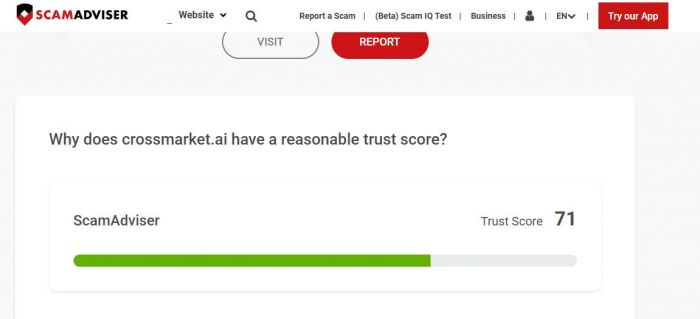
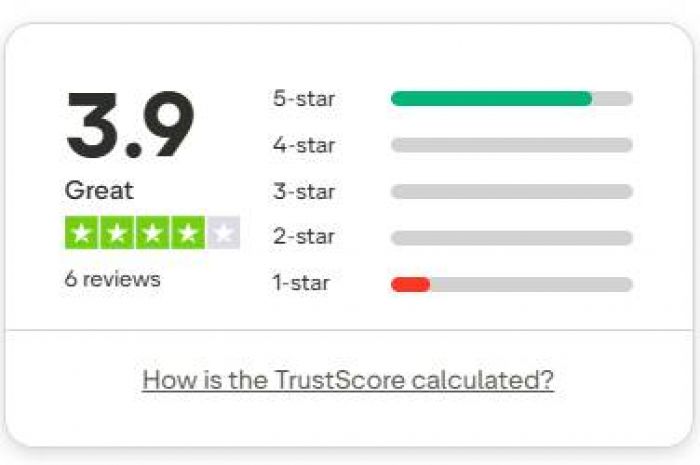
Before relying heavily on any AI trading or analytics platform, it helps to understand how real users tend to experience it. Cross Market AI does not yet have the same volume of long-standing public reviews as some older trading tools, but common user sentiment patterns are starting to emerge across forums, early testimonials, and general AI trading tool feedback.
Below is a balanced, beginner-friendly breakdown of what users typically appreciate and where concerns often appear.
What users tend to like
1. The cross-market perspective feels valuable
Many users find the biggest appeal is the platform’s ability to connect signals across different markets. Instead of watching crypto, stocks, or forex separately, the tool attempts to highlight relationships between them. For traders who follow macro trends, this can save time and surface insights they might otherwise miss.
2. Time savings in research
Users often mention that AI-driven dashboards reduce the need to manually scan multiple charts and news sources. The automated monitoring and alert features can make the research process feel more streamlined, especially for part-time traders.
3. Clean, dashboard-style experience (in most versions)
Compared with some legacy trading software, Cross Market AI platforms are often described as more modern and visually digestible. Beginners who feel overwhelmed by traditional charting tools may find the interface easier to navigate.
4. Helpful as a secondary confirmation tool
More experienced traders tend to use Cross Market AI as a supporting signal rather than a primary decision-maker. In this role, many report that it adds useful context to their existing strategy.
Common complaints and concerns
1. Signals are not always reliable
This is the most consistent theme across AI trading tools in general. Users sometimes report that:
● Correlations break unexpectedly
● Alerts come late during fast market moves
● Some signals produce false positives
This is not unique to Cross Market AI, but it is important for beginners to understand.
2. Learning curve for new traders
While the dashboard may look clean, some beginners still feel unsure about:
● How to interpret AI signals
● When to act vs ignore
● How much weight to give cross-market correlations
Without basic market knowledge, the insights can feel abstract.
3. Pricing sensitivity (where applicable)
Depending on the version or plan structure, some users feel AI market tools become expensive relative to how often they use the signals. Value tends to depend heavily on trading frequency.
4. Transparency questions
As with many AI analytics platforms, some cautious users look for clearer answers about:
● How models are trained
● How often systems update
● Historical accuracy data
● Who is behind the platform
If this information is limited, trust can take longer to build.
Where Cross Market AI fits in today’s trading landscape
AI is increasingly shaping how traders analyze markets, and tools like Cross Market AI reflect that shift. The platform’s main appeal lies in its attempt to connect the dots between different asset classes instead of treating each market in isolation. For traders who already understand basic market behavior, that broader perspective can be genuinely useful.
At the same time, it is important to approach the tool with realistic expectations. Cross Market AI can help surface patterns, speed up research, and provide structured insights, but it does not remove market risk or replace sound judgment. Used thoughtfully, it can be a helpful decision-support companion. Used blindly, it can lead to overconfidence.
The most practical approach is to treat Cross Market AI as an intelligent research layer, not a guaranteed trading edge.
Post Comment
Be the first to post comment!