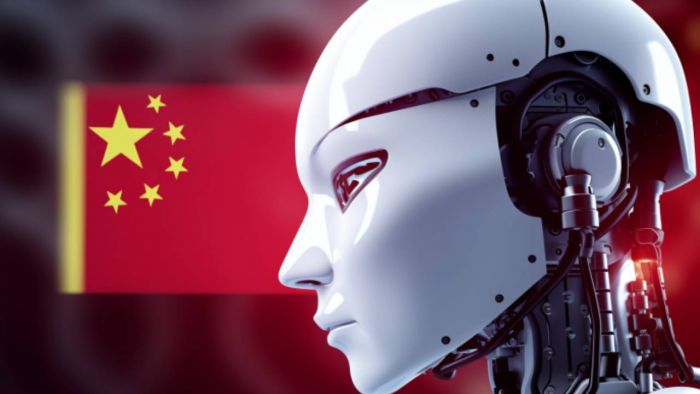
In a decisive move to govern the next frontier of artificial intelligence, China’s top cyber regulator on Saturday released a comprehensive set of draft rules aimed at curbing the psychological and social risks posed by AI systems that mimic human personalities. The Cyberspace Administration of China (CAC) unveiled the proposal on December 27, 2025, marking a significant escalation in Beijing’s efforts to manage the rapid proliferation of "human-like" AI that engages users through emotional interaction and simulated personality traits. These proposed regulations target a growing sector of generative AI ranging from virtual companions and digital influencers to sophisticated customer service bots that are designed to replicate human thinking patterns, communication styles, and emotional responses across text, audio, and video formats.
Under the new draft guidelines, service providers are required to assume a rigorous "lifecycle safety responsibility" for their products. This includes mandatory systems for algorithm review, data security, and the protection of personal information. Most notably, the rules introduce a psychological health component that is rarely seen in global AI legislation. AI providers must now actively monitor the emotional state of their users and identify signs of over-dependence or "AI addiction." If a system detects that a user is exhibiting extreme emotions or becoming excessively reliant on the AI for emotional support, the service provider is legally obligated to intervene. This intervention could range from automated warnings to temporary service suspensions, ensuring that the blurred line between human and machine does not lead to mental health crises.
Transparency and user awareness are central to the CAC’s vision, with the draft requiring platforms to provide explicit notifications to users. Specifically, the rules mandate that a clear warning be displayed at the initial login and repeated at two-hour intervals of continuous use. These alerts serve as a "reality check," reminding users that they are interacting with an artificial entity rather than a human being. Furthermore, the regulations establish strict "content red lines," stipulating that these human-mimicking systems must not generate material that endangers national security, spreads rumors, or promotes obscenity and violence. In line with previous Chinese tech policies, all human-like AI products must also adhere to core socialist values and undergo a formal security assessment before being offered to the public.
Industry experts suggest that these rules will significantly impact tech giants such as Baidu, ByteDance, and Alibaba, who have been racing to integrate more "empathetic" and human-centric features into their large language models. The draft proposal is currently open for public comment until January 25, 2026. As China continues to position itself as a global leader in AI development, this latest regulatory framework signals a shift in focus from purely technical safety to the broader socio-psychological impact of AI on the fabric of human society. By mandating addiction interventions and frequent transparency alerts, Beijing is setting a high bar for the ethical deployment of emotional AI, a move that may influence how other nations approach the regulation of increasingly humanized technology.
Post Comment
Be the first to post comment!