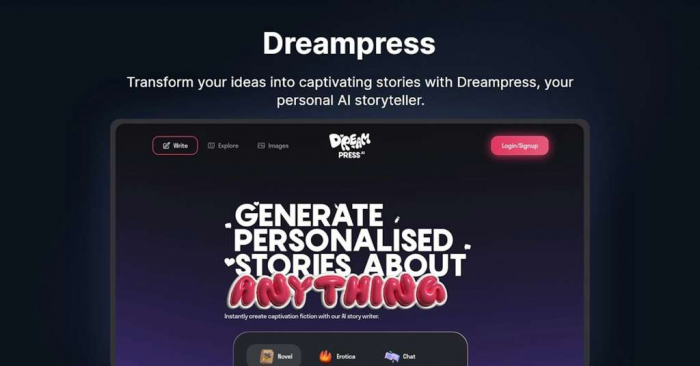
DreamPress AI presents itself as a platform where stories generate themselves around your ideas. Fiction, erotica, fantasy, and drama all flow from a single prompt while the user takes the role of creator, director, or sometimes a simple observer. On the surface it looks like a dream tool for blocked writers. Underneath that surface, the story becomes more complicated. This examination breaks down the tool layer by layer while grounding each section in real user reviews.
**1. The Brain
(How the System Thinks and Why It Sometimes Misfires)**
DreamPress relies on an internal logic engine that is supposed to remember characters, track settings, and maintain narrative continuity. In theory it should work like a well trained storyteller. In practice, users report that the memory system behaves unpredictably.
A reviewer described a character who was established as bald, only for the tool to repeatedly add long hair in later scenes. Another person explained how a scene set at home kept shifting to a gym without warning. Several users mention that the AI changes clothing details, like replacing a skirt with jeans mid scene, and that it often forgets emotional details that were meant to guide the story.
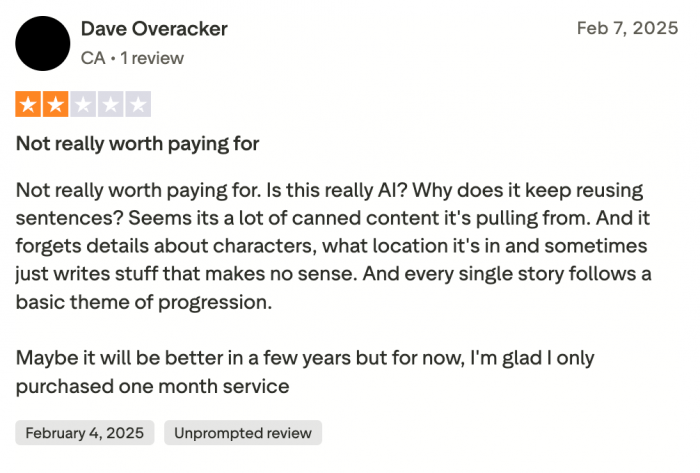
Others point out the tool tends to repeat the same phrases, as if its vocabulary becomes stuck. A reviewer who attempted to use the director function said it rarely followed instructions and often repeated the previous paragraph instead of correcting the plot.
The brain of the system is clearly active, but many users feel it struggles to retain important information and stay consistent.
**2. The Heart
(What Users Wanted Before the Problems Began)**
The heart of any writing tool is the hope it gives to writers who cannot get words out on their own. Many reviewers approached DreamPress with enthusiasm. They wanted something that would help them break through creative blocks or continue novels without losing momentum.
Some users describe the experience as freeing. One writer said the tool allowed them to continue chapters without overthinking structure. Another praised how it handled plot development and character arcs when they were struggling to draft scenes manually.
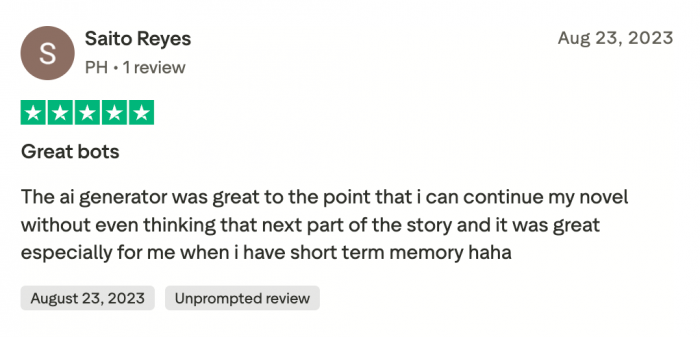
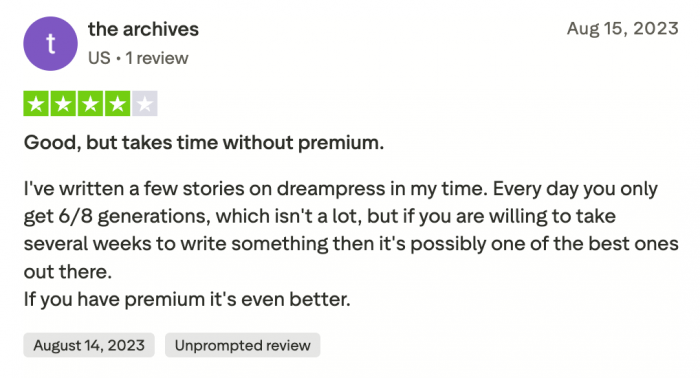
Several five star reviews mention that DreamPress helps beginners write confidently, and a number of users refer to it as a tool that makes fiction enjoyable rather than intimidating. One remarked that it was the first AI writer they used that did not interrupt their ideas with unnecessary content warnings.
These reviews reveal a general desire: people wanted a tool that would support creativity without imposing limits.
**3. The Muscles
(Parts of the System That Still Function Reliably)**
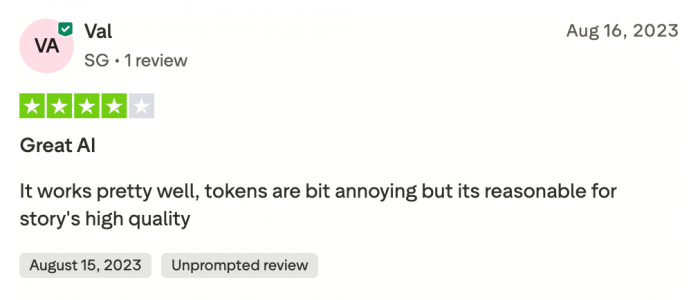
Even critics acknowledge that DreamPress has strengths. The platform produces quick story segments, often within a couple of minutes. It offers varied genres, from fantasy to romance to horror. Many positive reviews highlight that the tool is genuinely fun to experiment with, even when it drifts off track.
Users also mention daily tokens on the free tier, which make the service accessible to newcomers who want to test it gradually. Those who enjoy short form stories or writing prompts appear to get the most value from the system.
While the tool struggles with depth, it does perform well when users want fast, lightweight fiction. One reviewer pointed out that even with occasional repetition, it still produces amusing pieces that can be shared or adapted.
These are the muscles that give DreamPress its appeal, even when the other parts of the system face criticism.
**4. The Nerves
(Where Pain and Frustration Show Up Most Clearly)**
This part of the autopsy deals with sensitivity and user stress, and this is where DreamPress receives its harshest feedback.
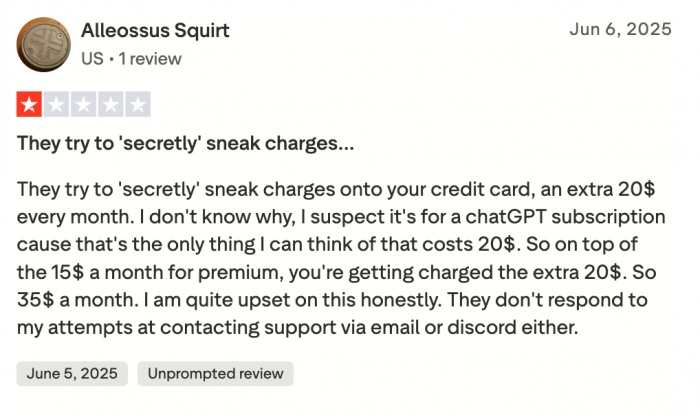
Several users accuse the service of unauthorized charges. One reviewer stated they were billed for eight months after trying the service for a single day. Another said they were charged an extra twenty dollars monthly without explanation and could not reach support. These experiences suggest ongoing concerns with billing transparency.
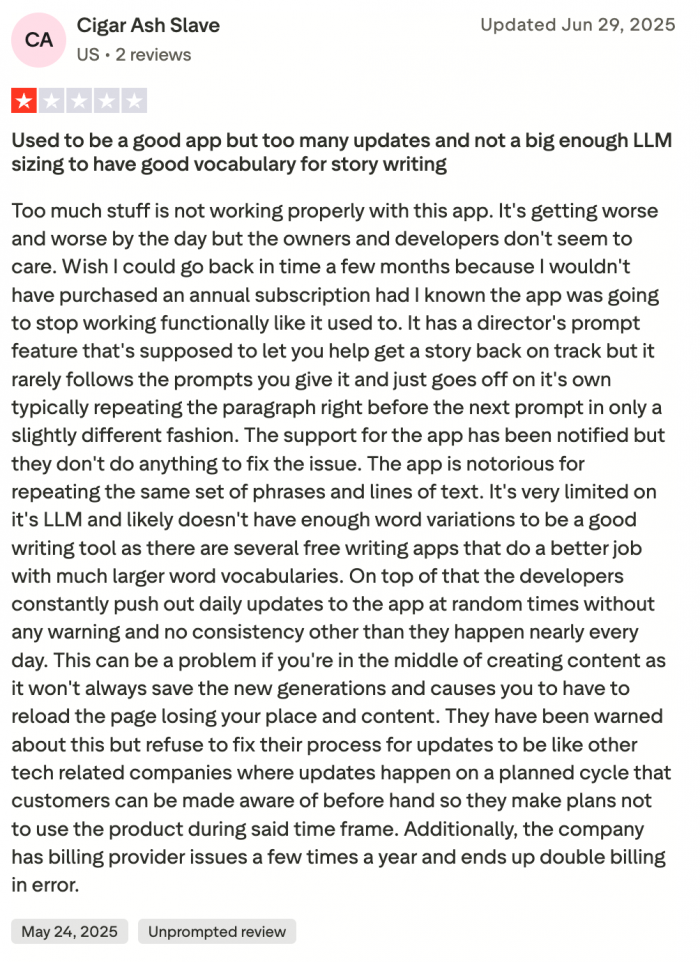
Users also describe technical pain points. The tool reportedly pushes updates without warning, causing stories to freeze or fail to save. Some writers mention losing entire chunks of work during these interruptions. Others say customer support is slow or unresponsive, leaving issues unresolved.
A long form reviewer suggested the system vocabulary is too limited for complex storytelling and that repetition becomes unavoidable. Another said the AI often writes nonsense when the story becomes too detailed. Together, these experiences form a pattern of instability, inconsistency, and weak support.
**5. The Skin
(How DreamPress Feels on First Contact)**
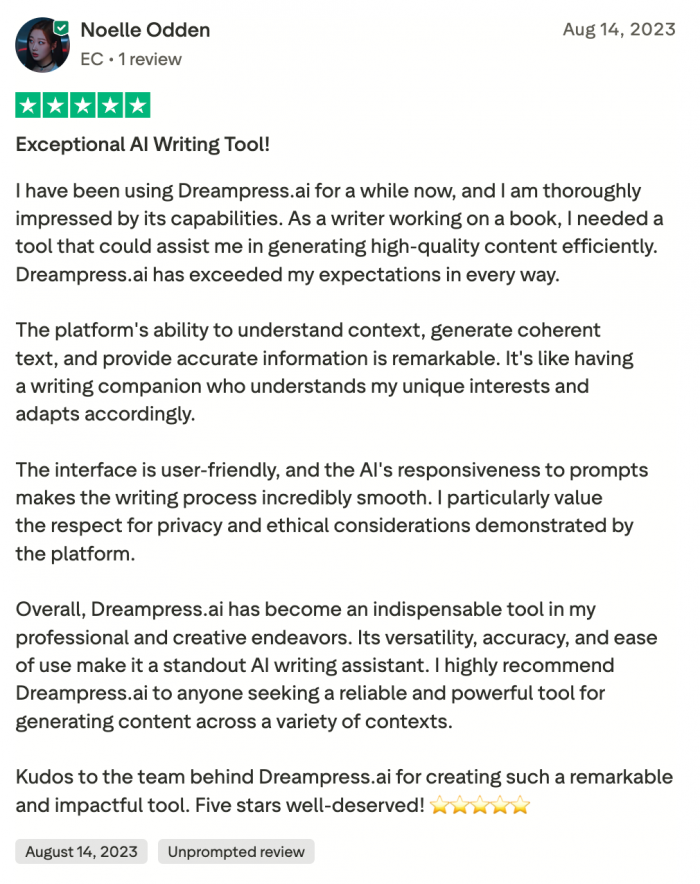
The appearance and usability of the tool create the first impression. Several reviewers praise the simplicity of the interface. They say it is approachable and straightforward, even for beginners. The public library of shared stories also adds a social layer that some users appreciate.
Others point out visual glitches and slow loading. These issues may seem minor at first but can become significant when writing flow is interrupted. The skin of the product is not its biggest problem, but it does not disguise the deeper issues beneath it.
**6. The Missing Organs
(Features Users Expected but Never Found)**
Certain limitations repeatedly appear in negative reviews.
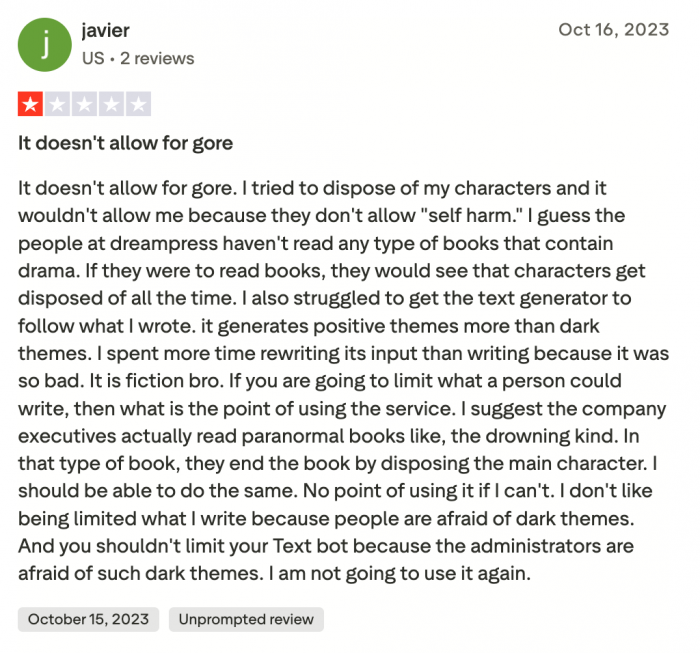
One user noted that DreamPress does not allow gore or certain dark themes. Another said the director feature barely works. Others highlight the lack of variety in vocabulary and the difficulty in guiding the AI to stick with a specific mood or style.
These missing organs weaken the experience for writers who want high precision control, reliable genre handling, or unrestricted thematic freedom. The tool offers creativity, but not full autonomy.
**7. The Final Diagnosis
(Should You Use DreamPress or Avoid It)**
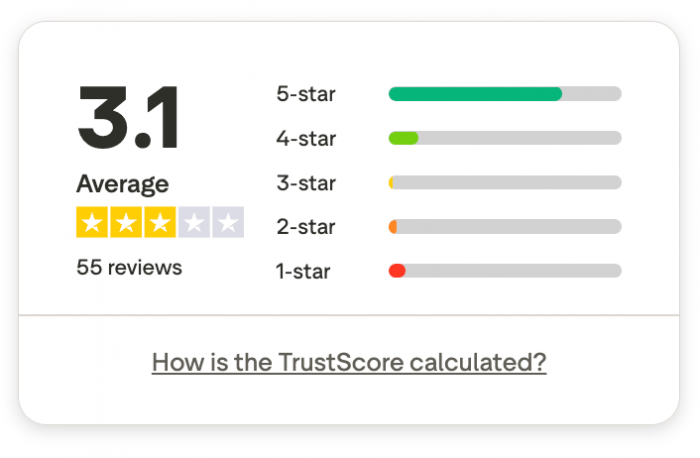
DreamPress has a mixed identity. The positive reviews show that it can be enjoyable, especially for casual writers, beginners, or those who want a quick burst of storytelling. The negative reviews show equally clearly that it struggles with memory, billing transparency, and narrative consistency.
If your goal is fast ideas, light entertainment, or simple stories, DreamPress might offer value.
If your goal is coherent long form writing, serious storytelling, or a reliable subscription experience, the risks may outweigh the benefits.
The autopsy suggests that DreamPress is a tool with a strong heartbeat but an unreliable nervous system. It can inspire creativity, but it also frustrates users who expect stability. For many readers, that balance will determine whether they embrace it or move on.
Post Comment
Be the first to post comment!